My time in Singapore was an immersive journey into a city-state that perfectly balances modernity with cultural richness, creating a unique environment that continuously piqued my curiosity.
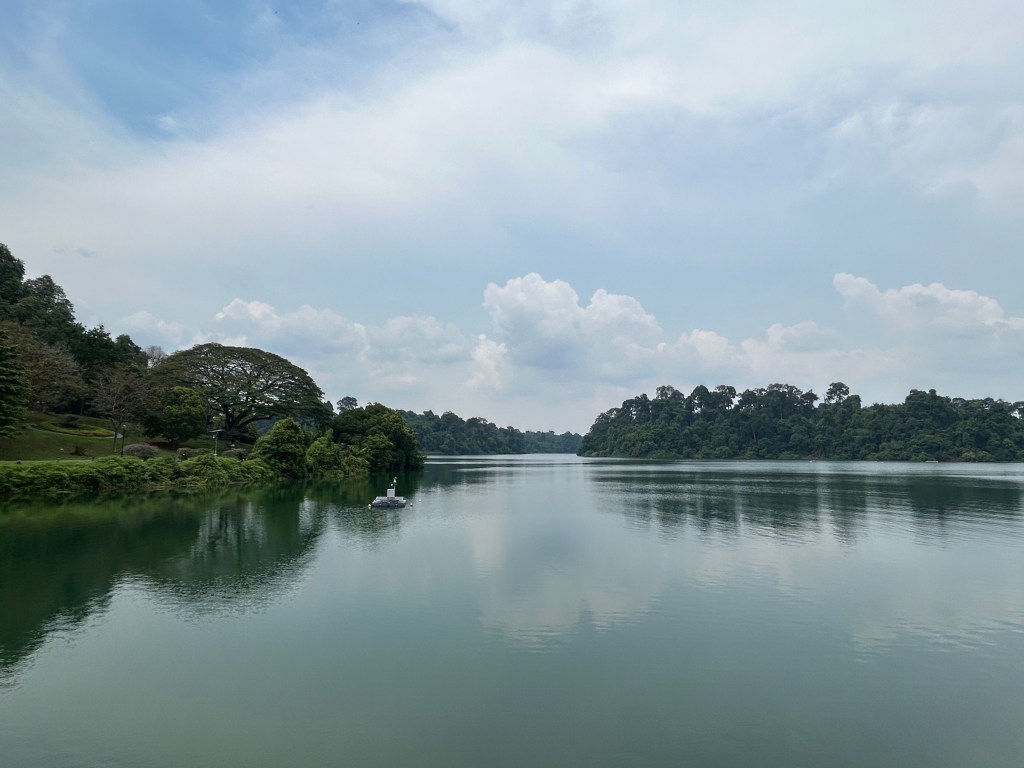
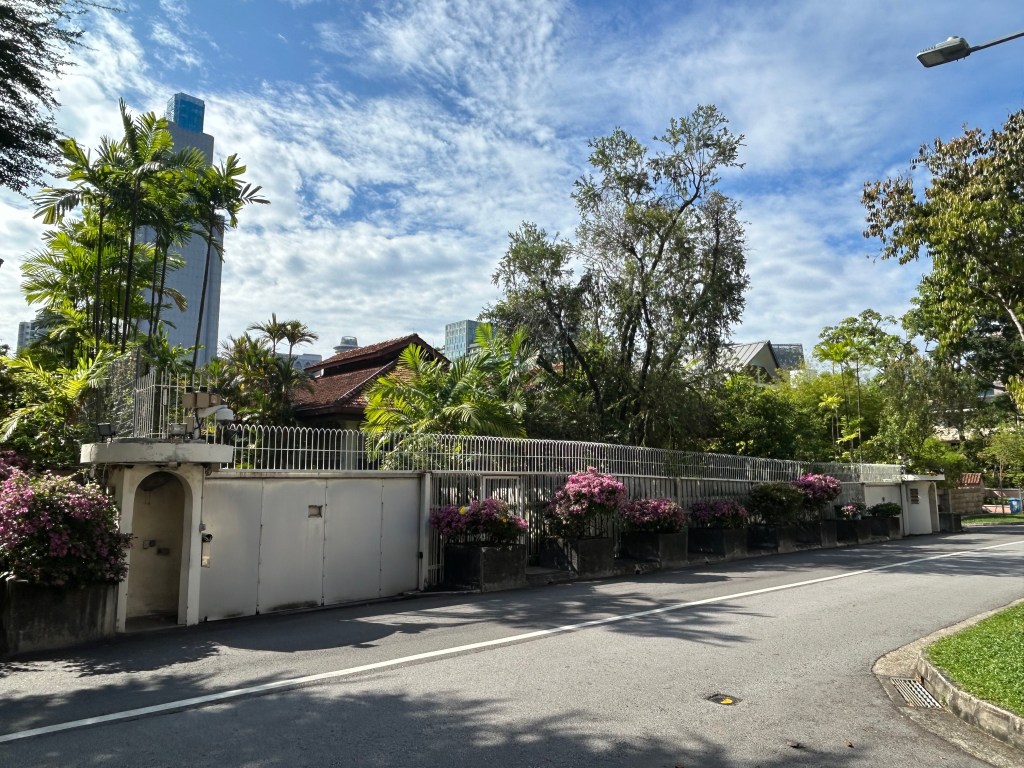
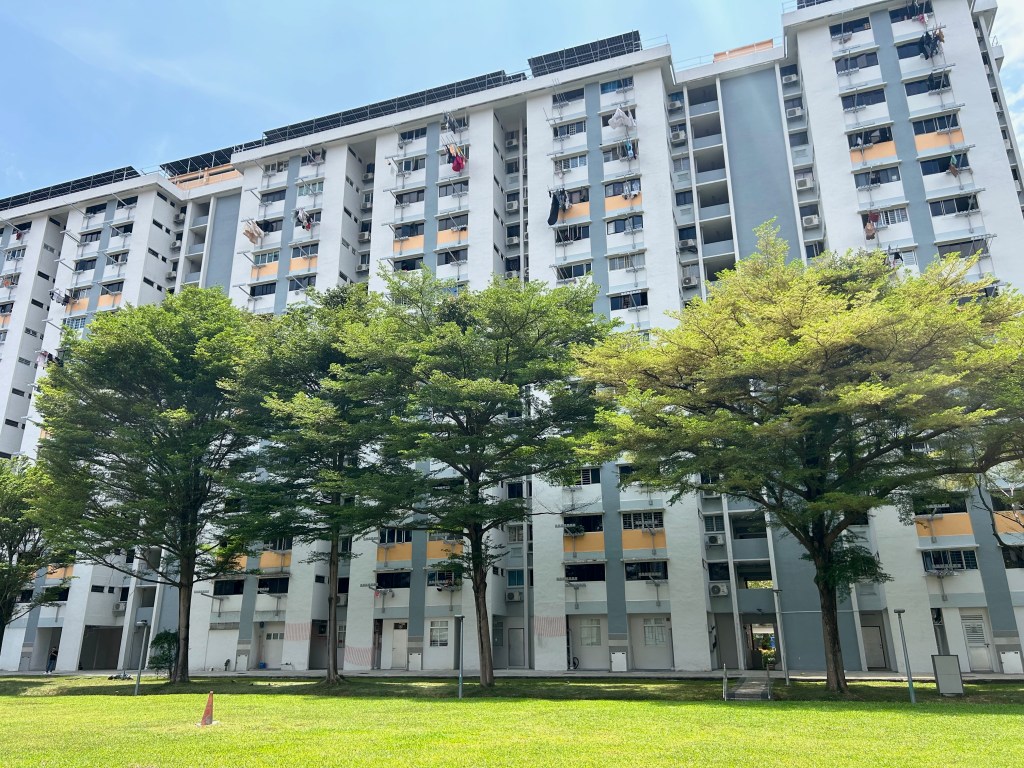
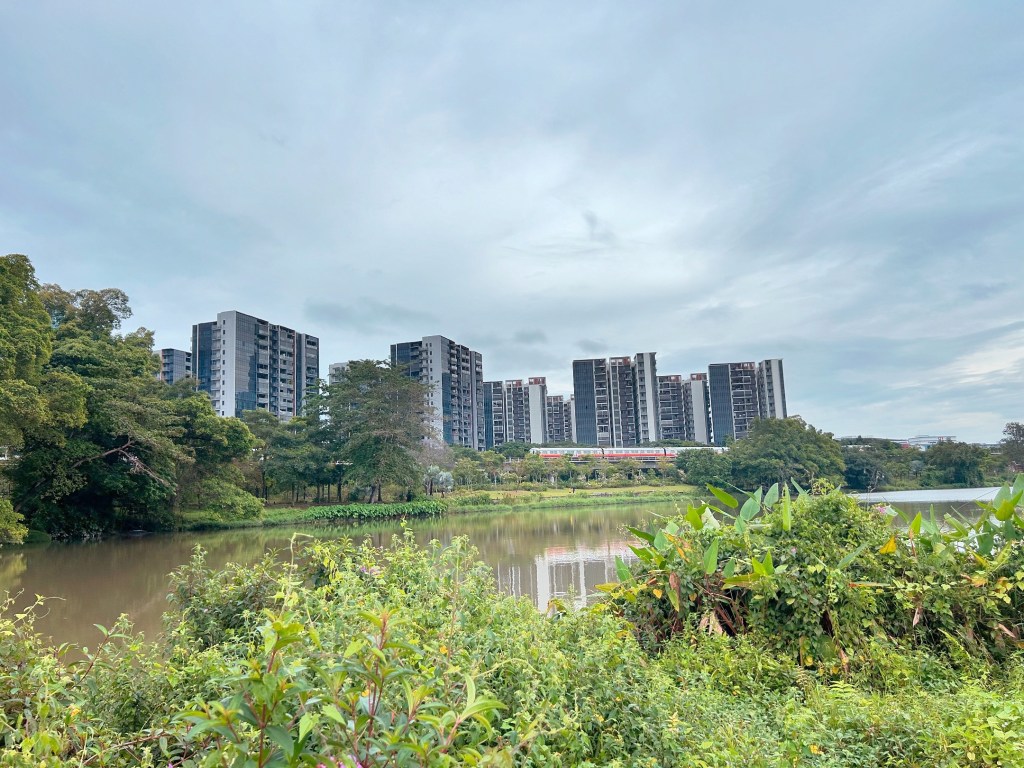
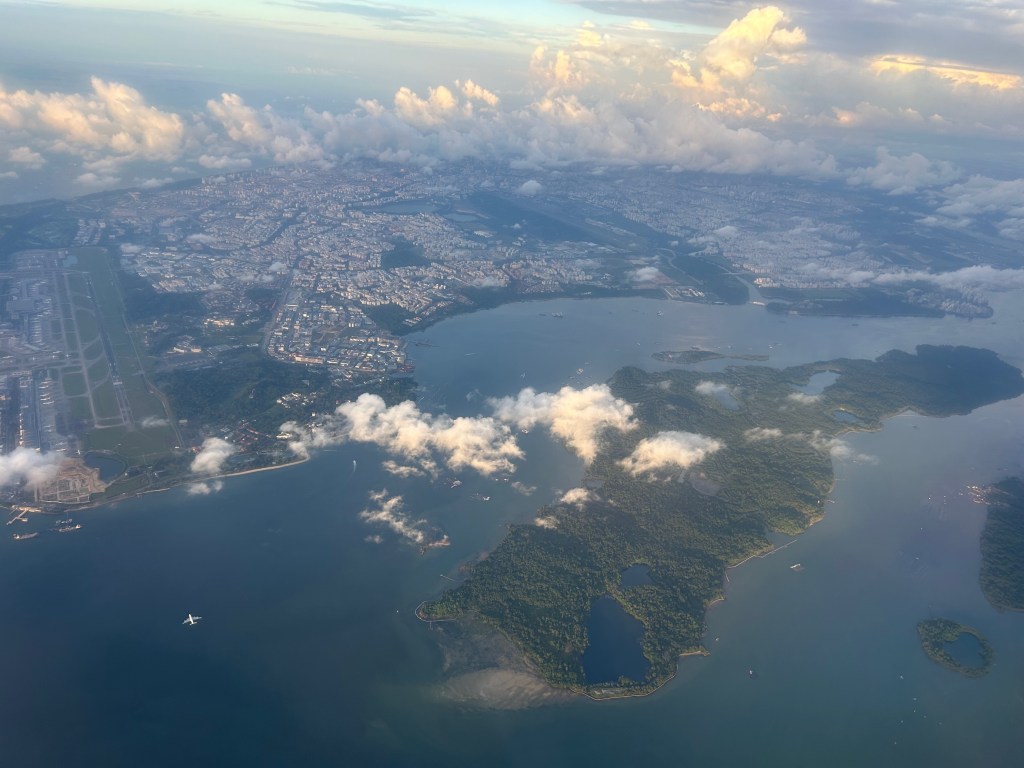
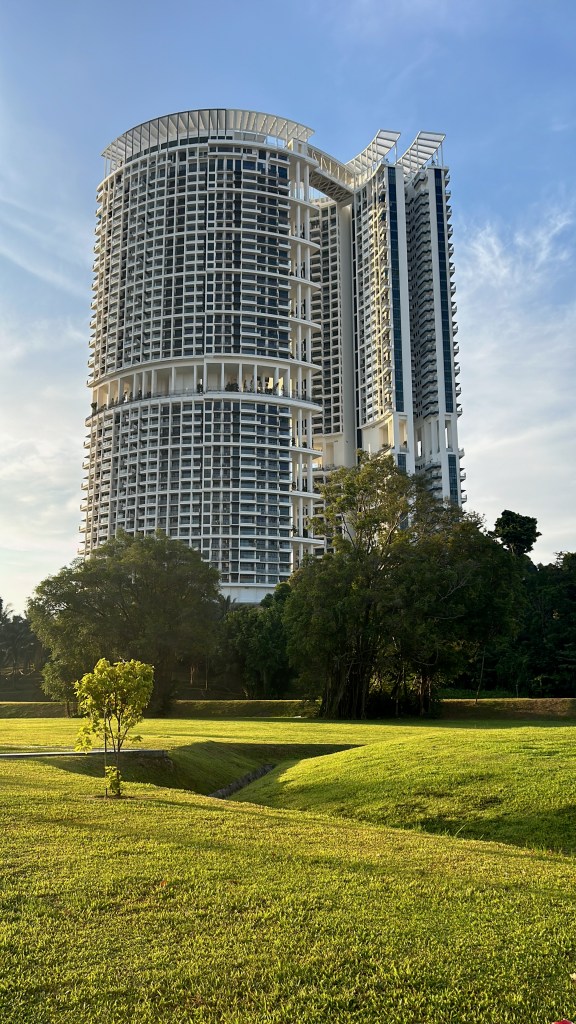
One of the first things I noticed was the city’s astonishing cleanliness, efficient public transport system, and the impressive respect and discipline that seemed to govern everyday interactions. Traveling to Jurong, where I stayed in a sprawling condominium complex, I was captivated by the neat landscaping, spacious amenities, and the serene environment, despite its urban density.
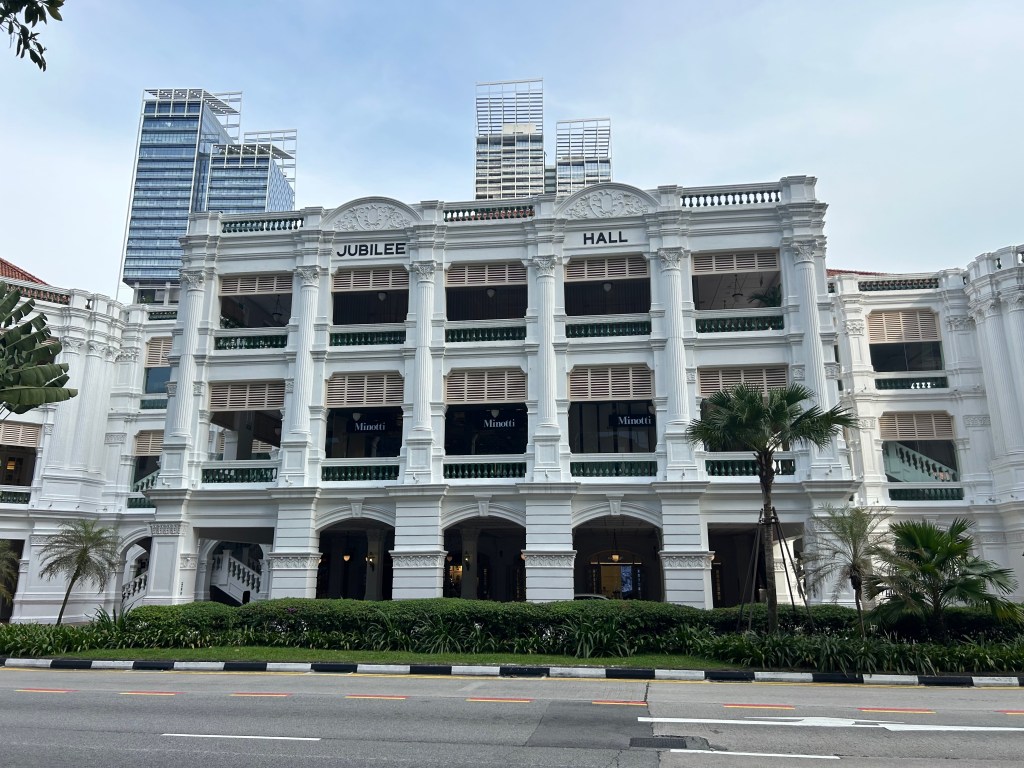
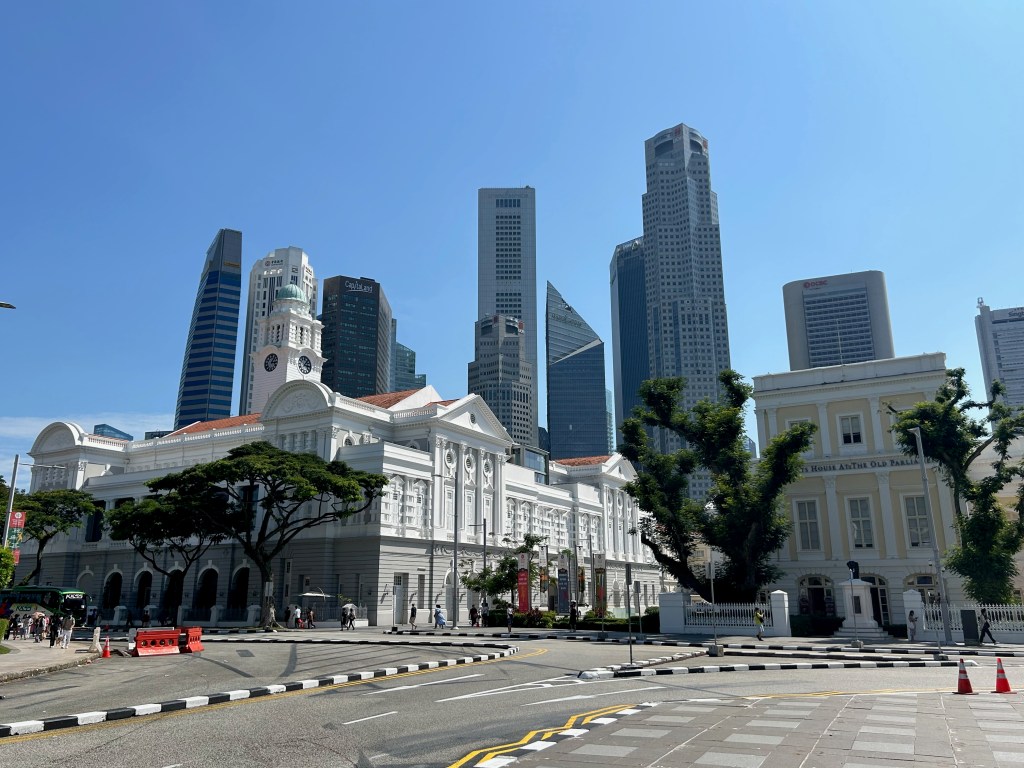
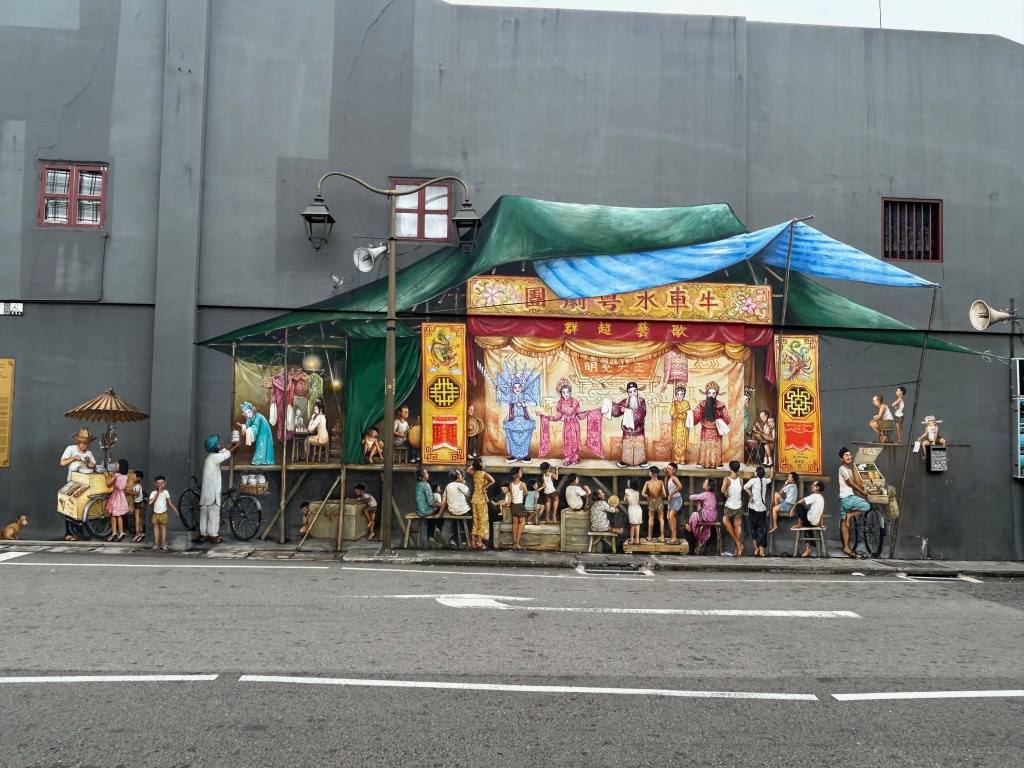
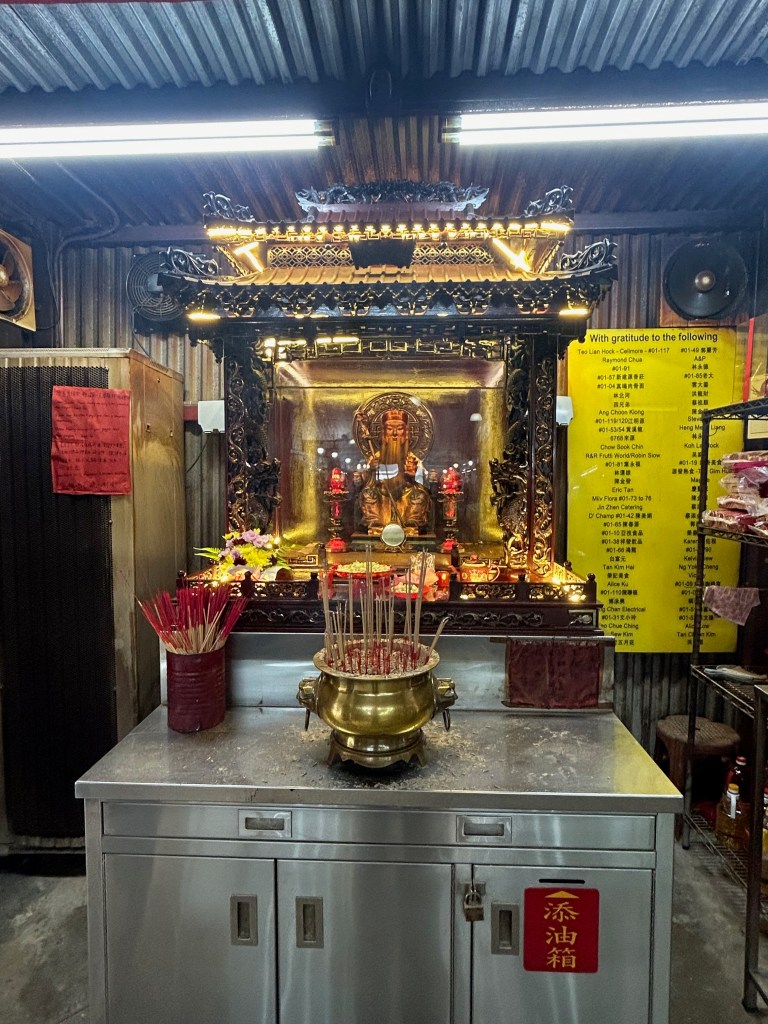
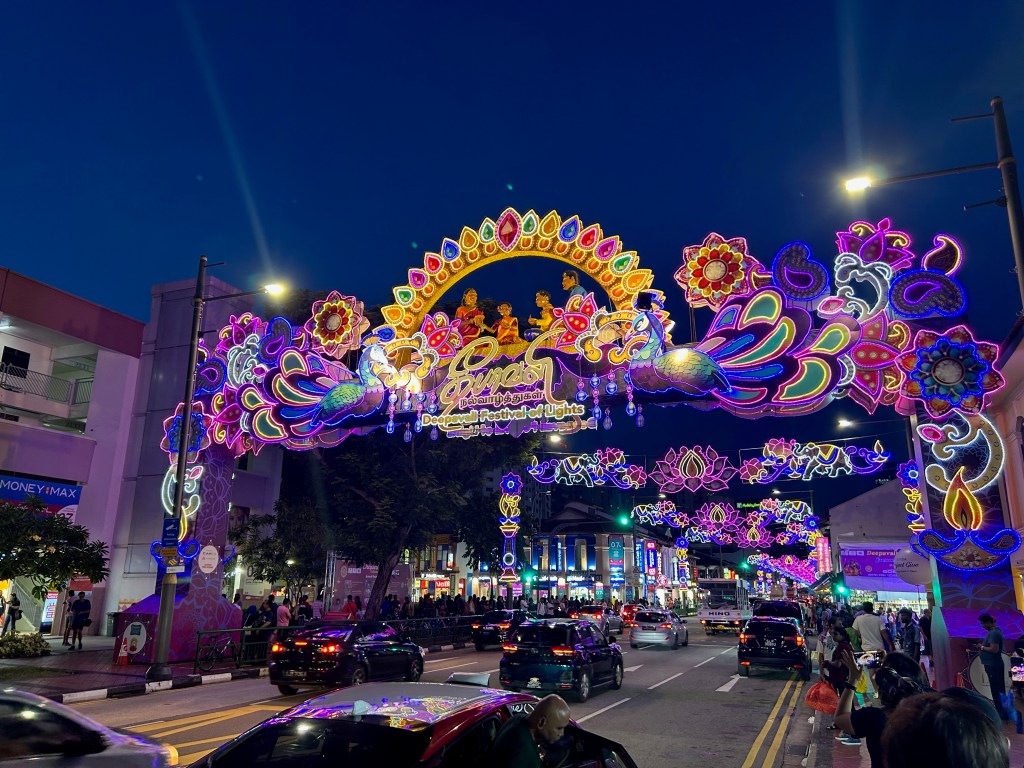
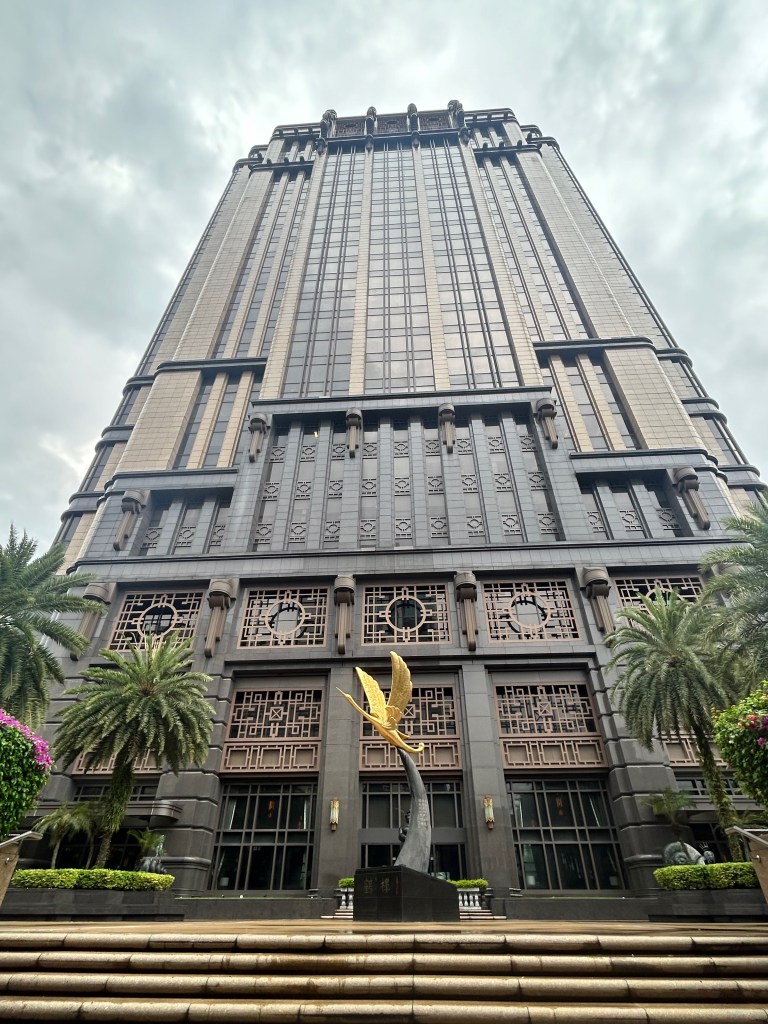
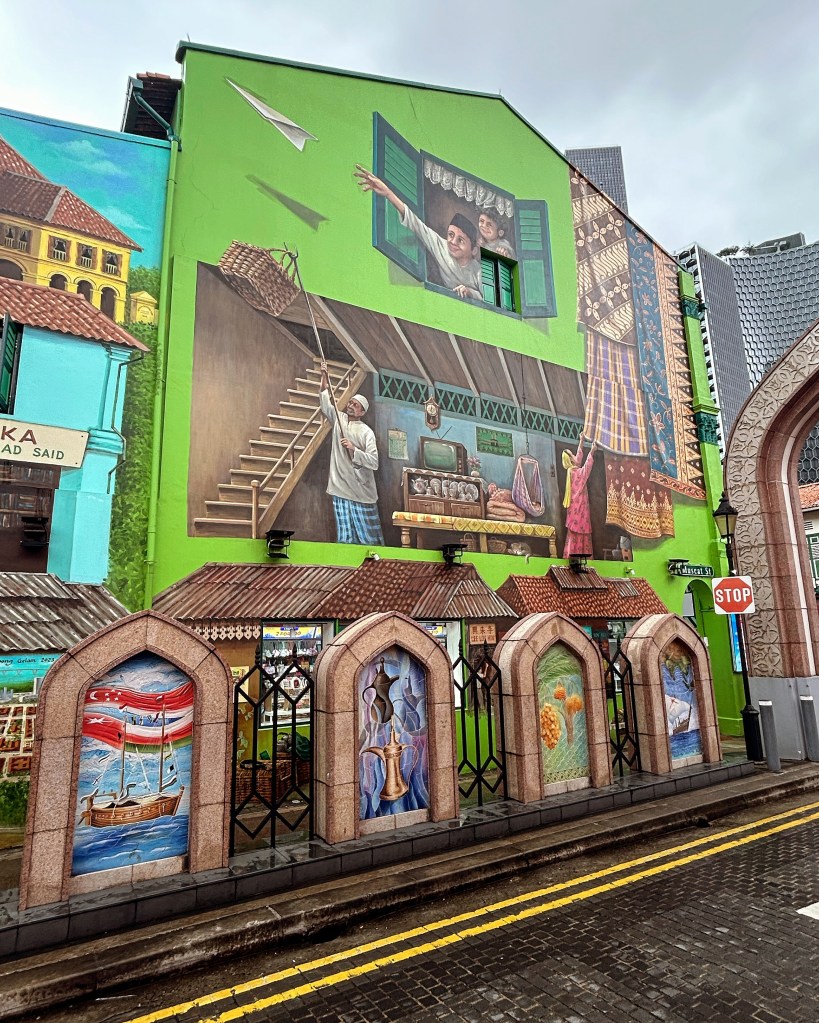
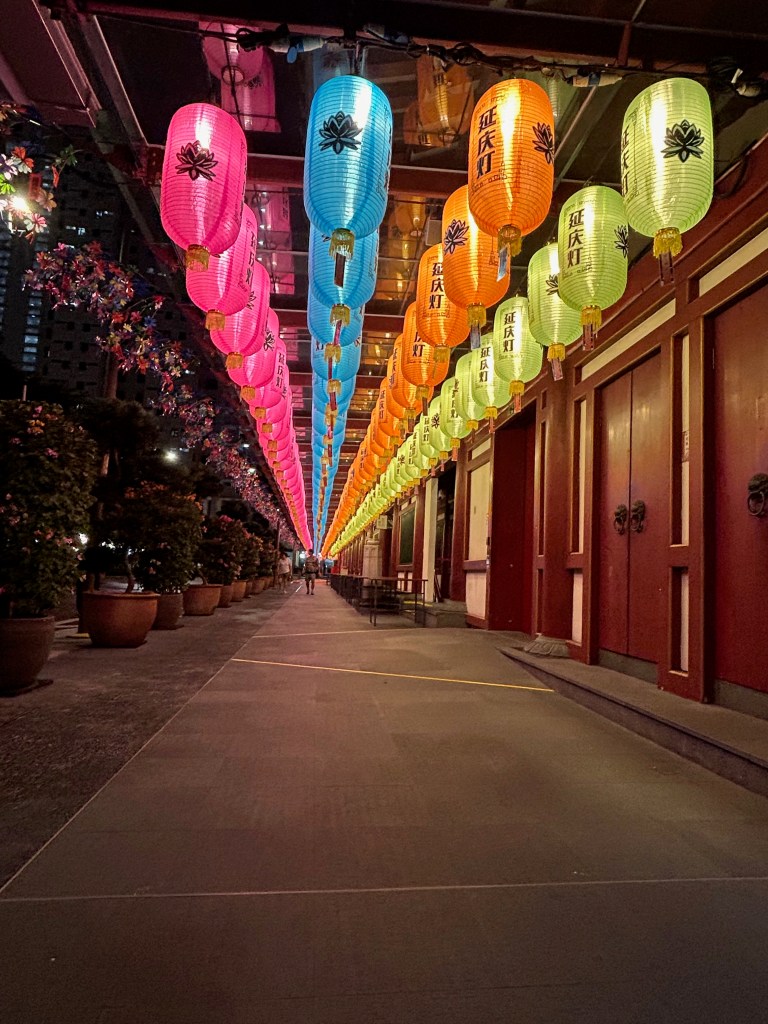
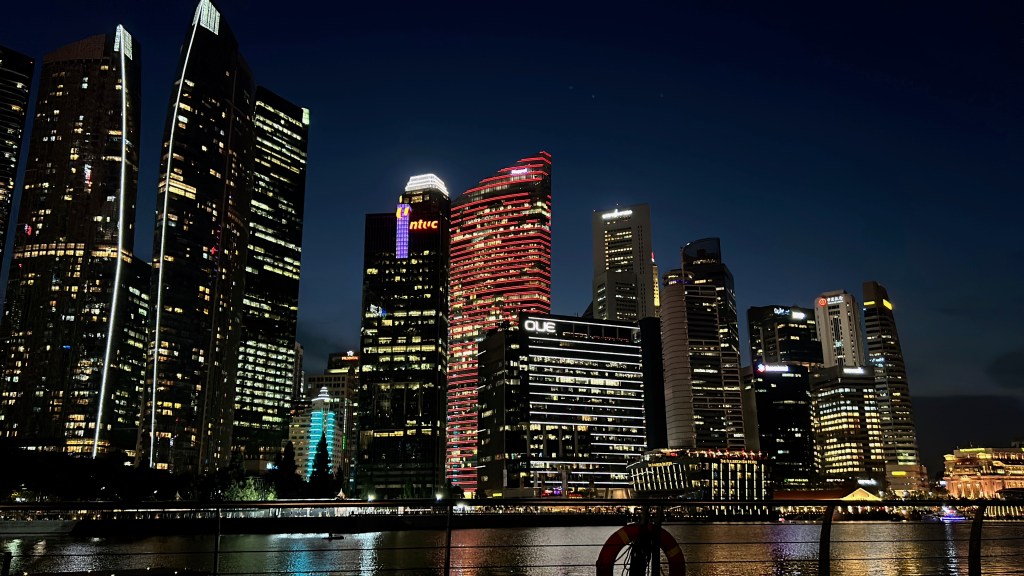
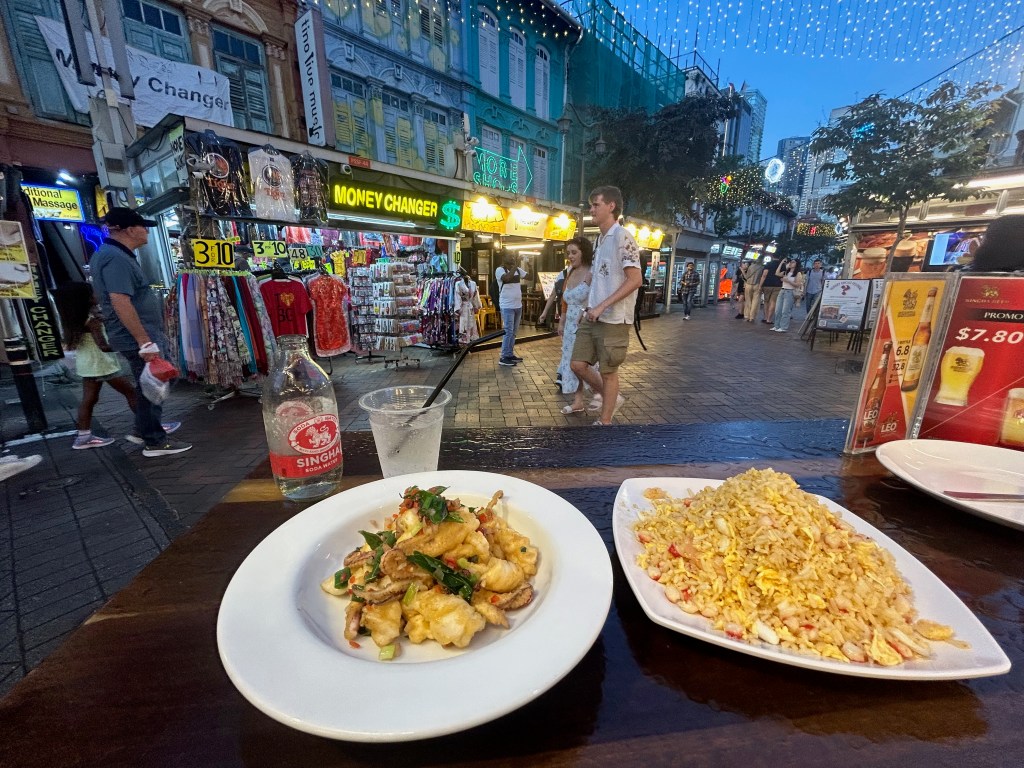
The vibrant multiculturalism of Singapore revealed itself in various ways. I explored the iconic Raffles Place, Chinatown, and Little India, each offering its own distinctive character. Raffles Place, with its towering skyscrapers, reminded me of the iconic American and European business districts, while Chinatown transported me to a bustling and vibrant movie scene steeped in Chinese heritage. Little India stood out with its colourful streets, tantalising aromas, and warm, welcoming community.
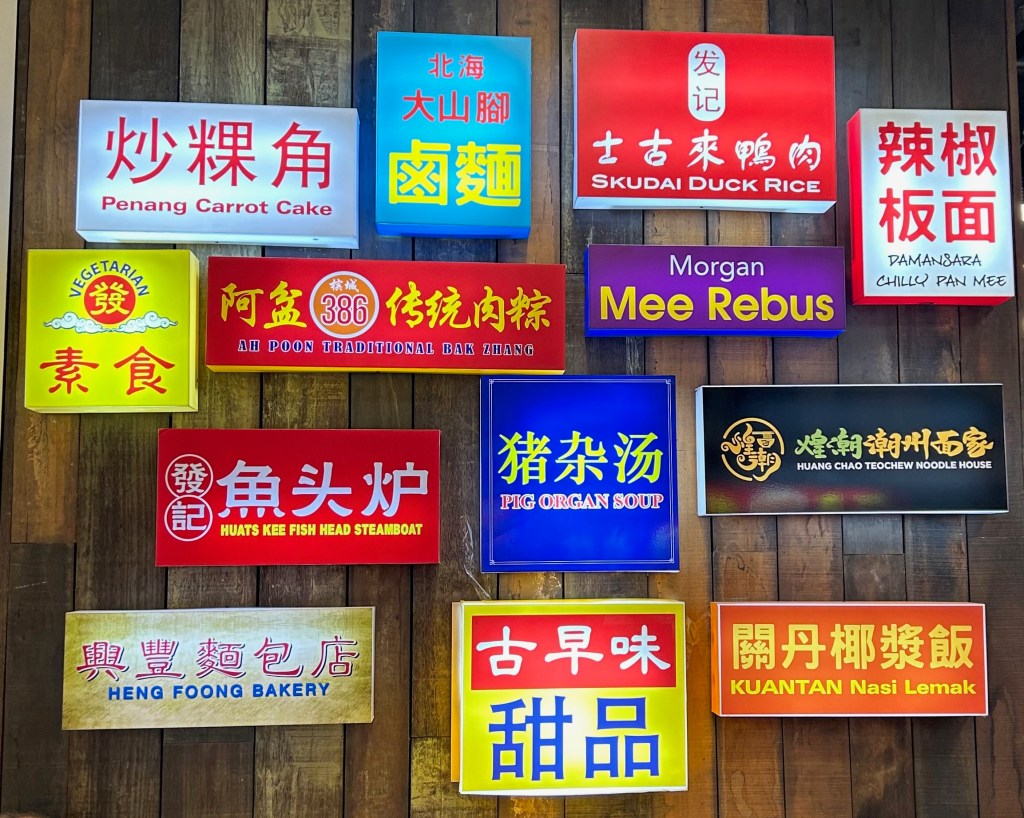
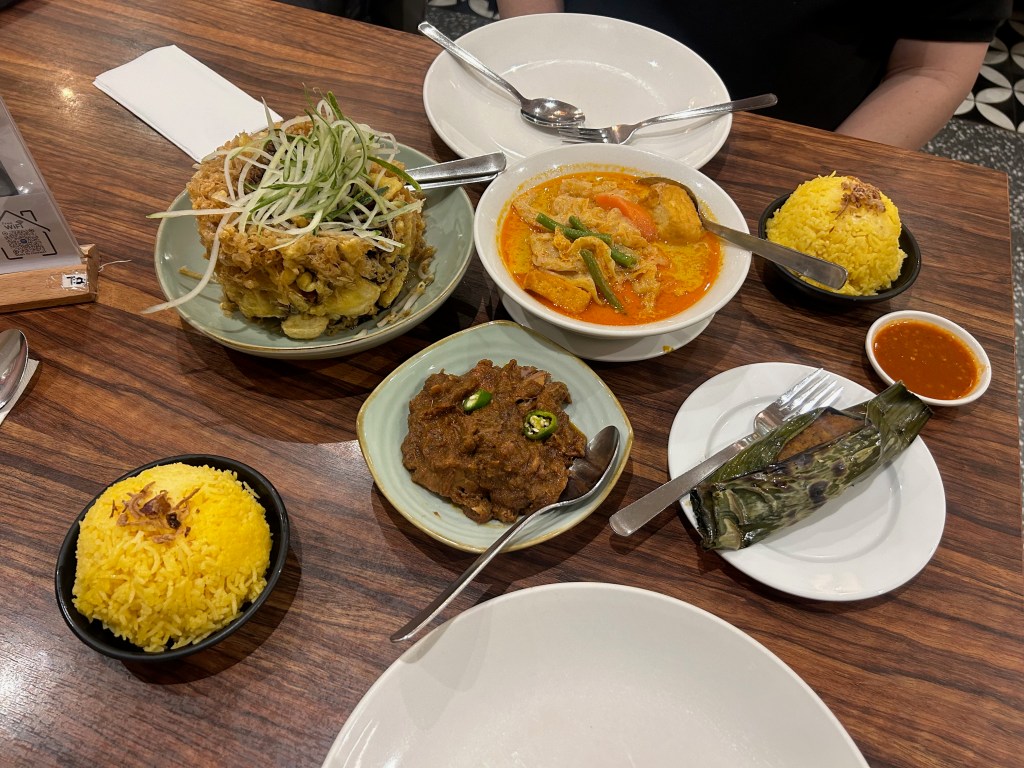
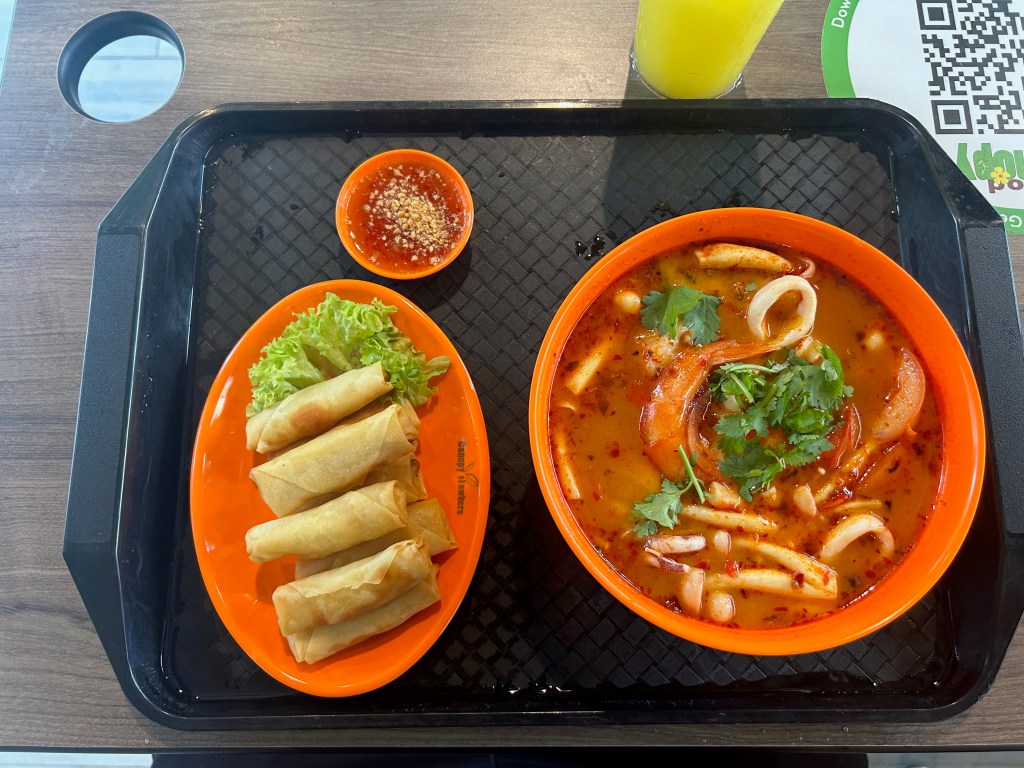
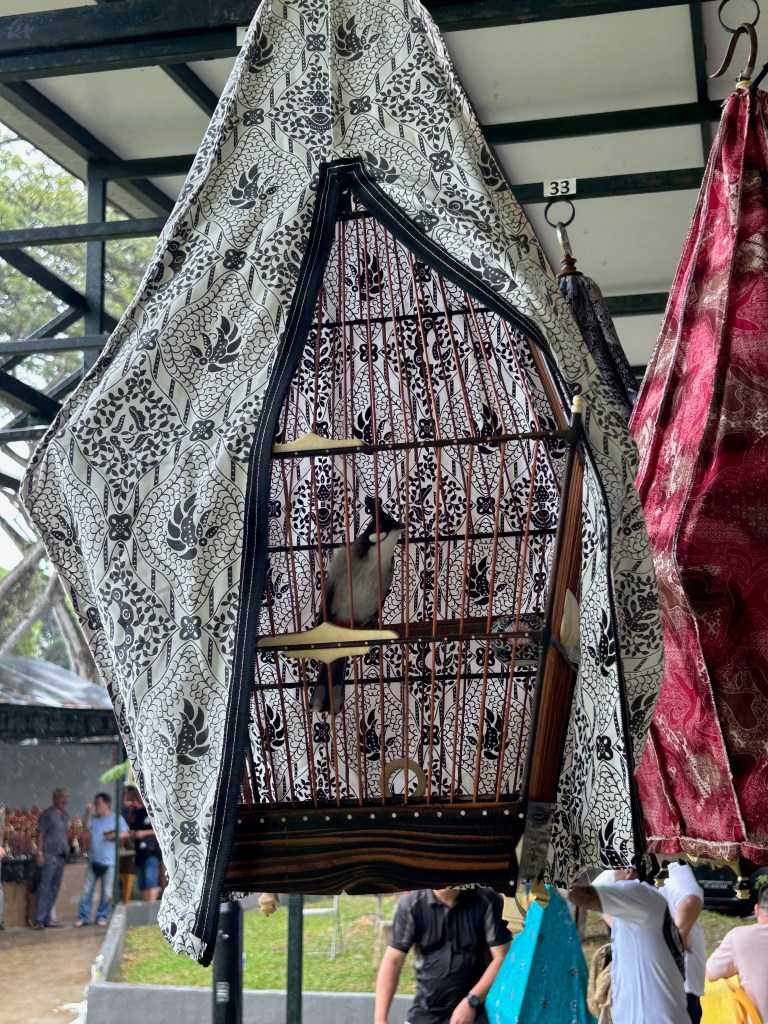
Food was a constant highlight, from hawker markets offering heavenly Asian cuisine to traditional dishes that blended flavours in ways I had never experienced before. The hawker markets also provided insight into the communal nature of life here, where people from different walks of life gathered to enjoy affordable, high-quality meals.
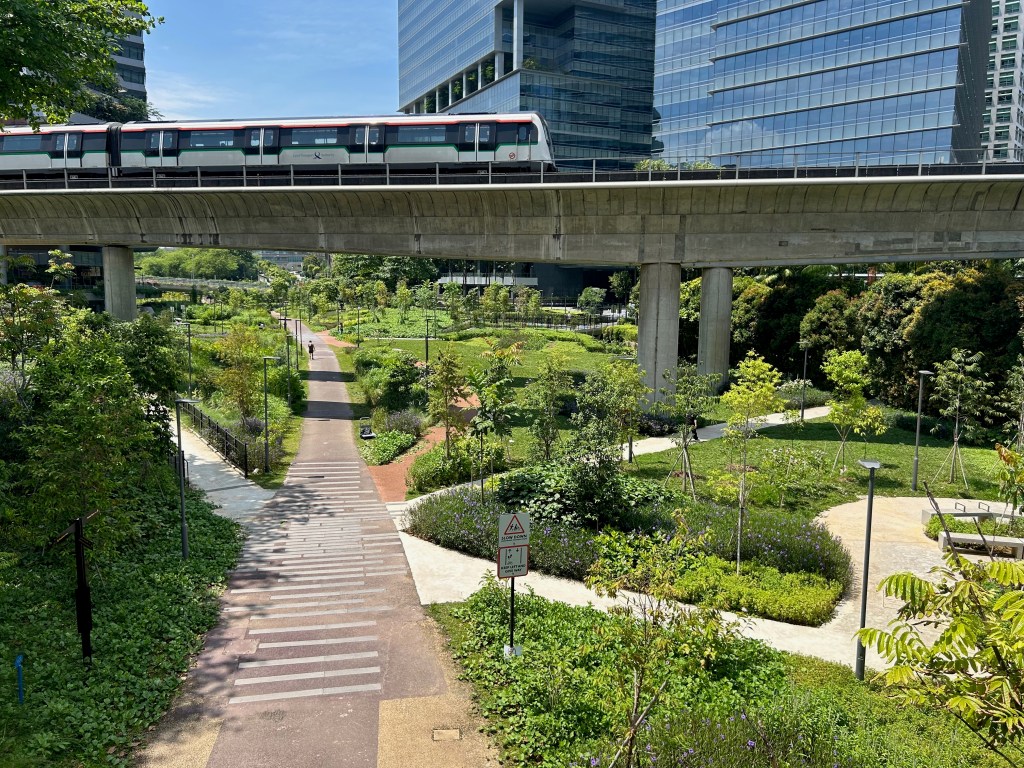
I was equally struck by the cultural dynamics and social structures. The prevalence of the Chinese population and their dominance in certain societal aspects stood out, as did the warmth of the Malay and Indian communities. However, I couldn’t help but observe the subtle racial tensions and the reserved demeanour of many locals, particularly the Chinese, towards foreigners. The city’s order, even in crowded public spaces like MRT stations, was a cultural shift that I found intriguing.
My academic engagements at NTU and NUS deepened my understanding of Singapore’s intricate governance model, blending strong state with meritocracy. The lectures and discussions with scholars and activists provided me insights into policies that emphasised personal responsibility, national identity, national development, and social cohesion. These lessons, alongside observations of everyday life, painted a picture of a nation striving for economic success while maintaining cultural integrity and social harmony.
National Day celebrations were an impressive spectacle of patriotism and military might, showcasing Singapore’s identity as a resilient and self-reliant nation. The military parade, complete with aerial displays, exemplified the country’s commitment to excellence and readiness. Yet, beneath the grandeur, I felt the weight of historical tensions with neighbouring countries and the nation’s reliance on strong governance for stability.
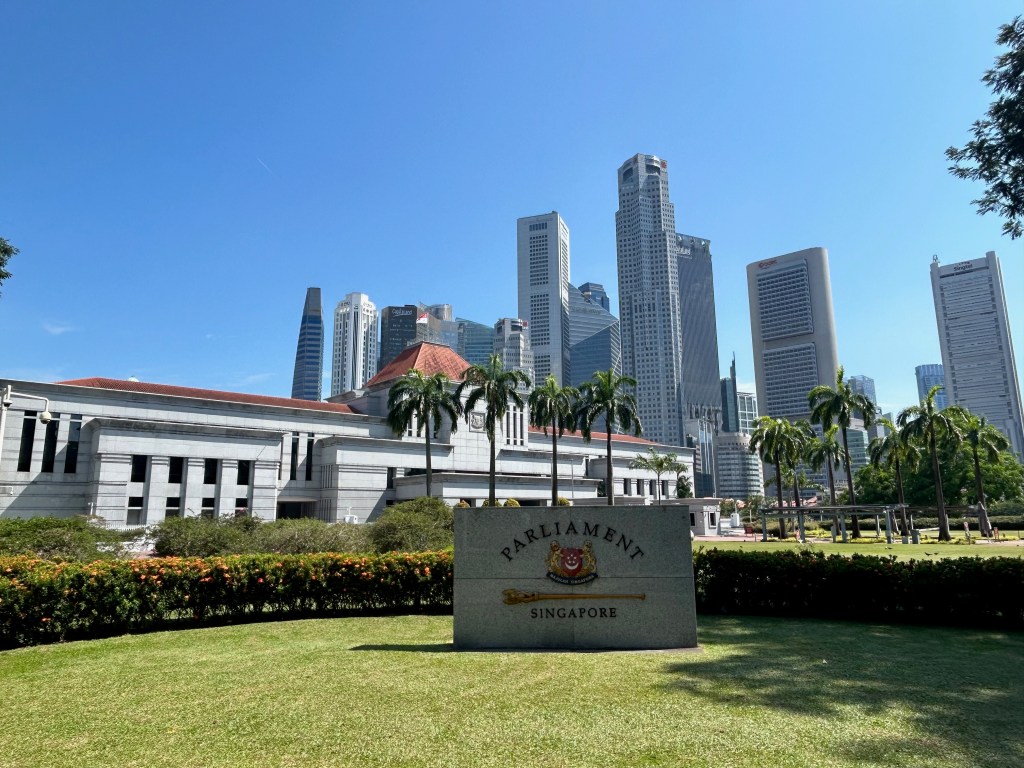
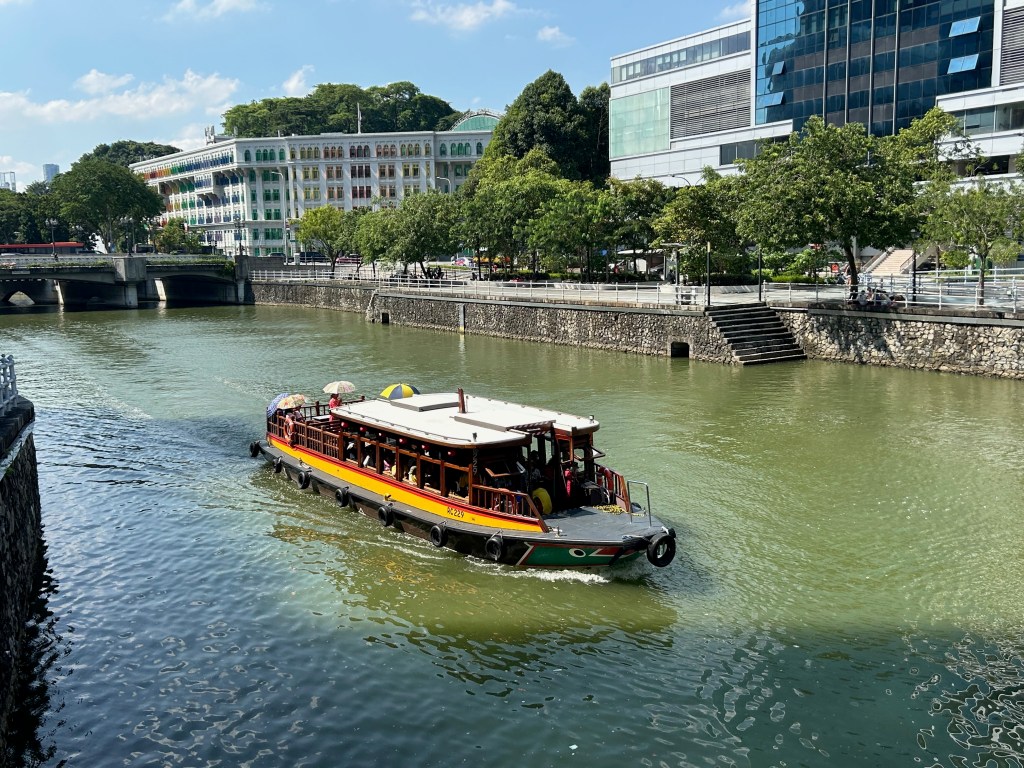
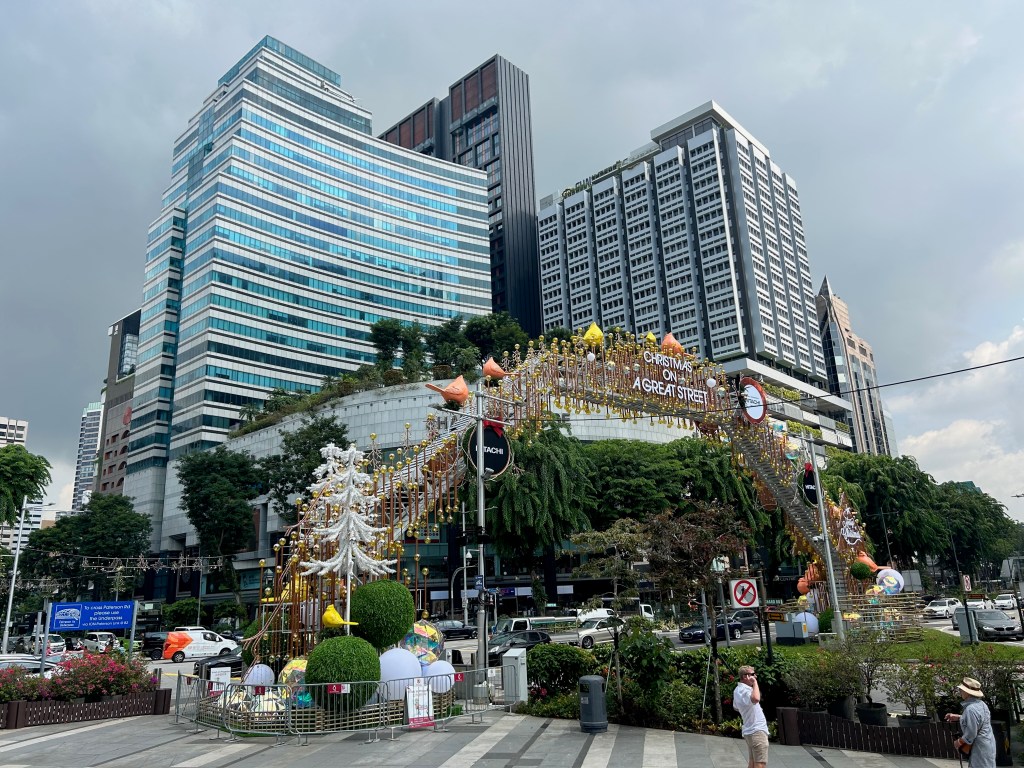
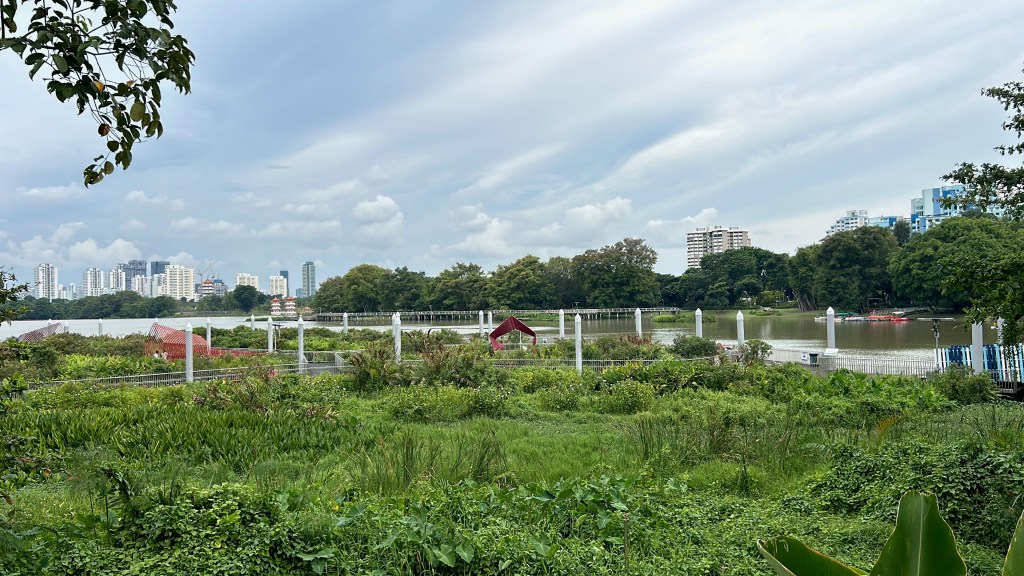
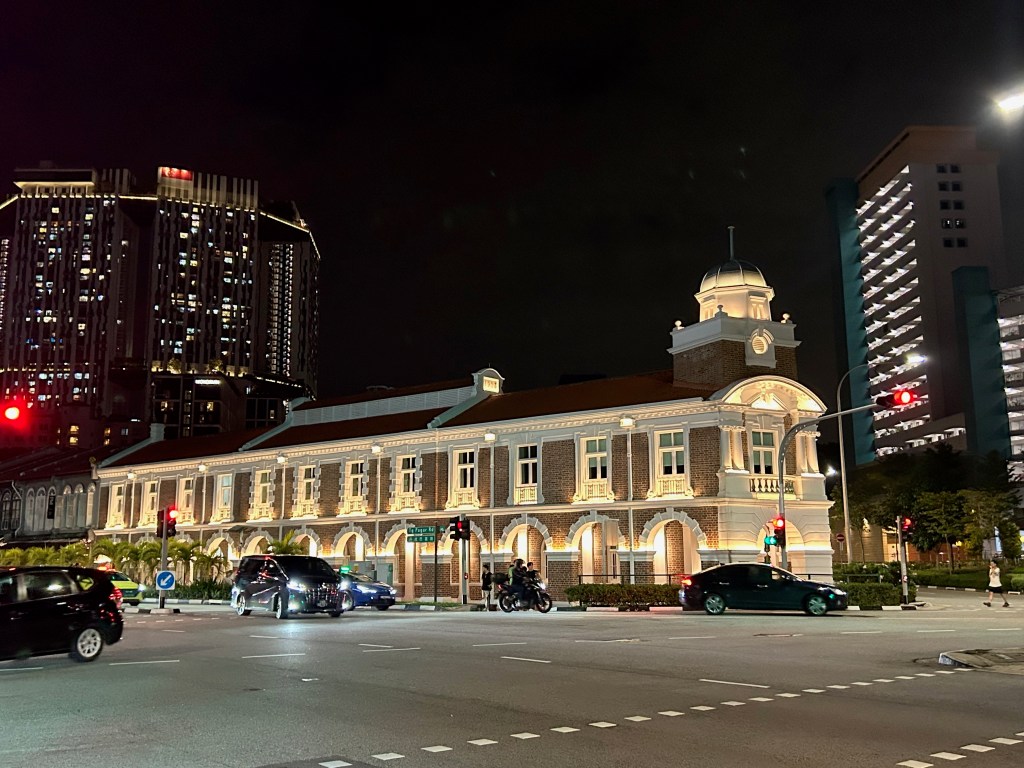
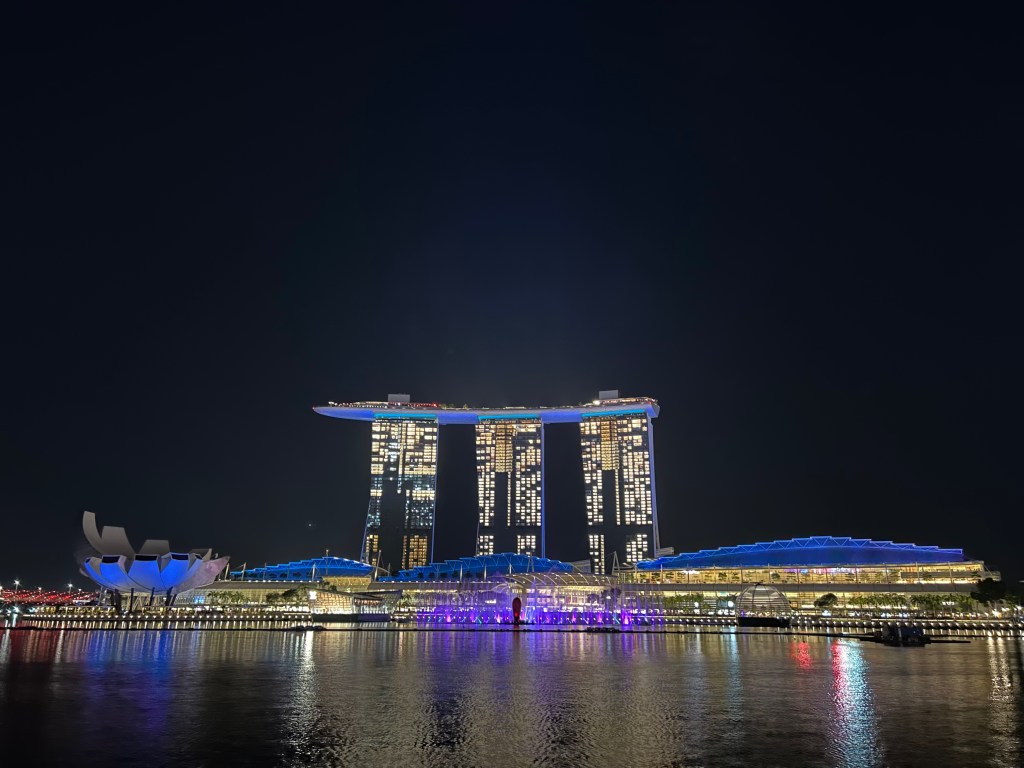
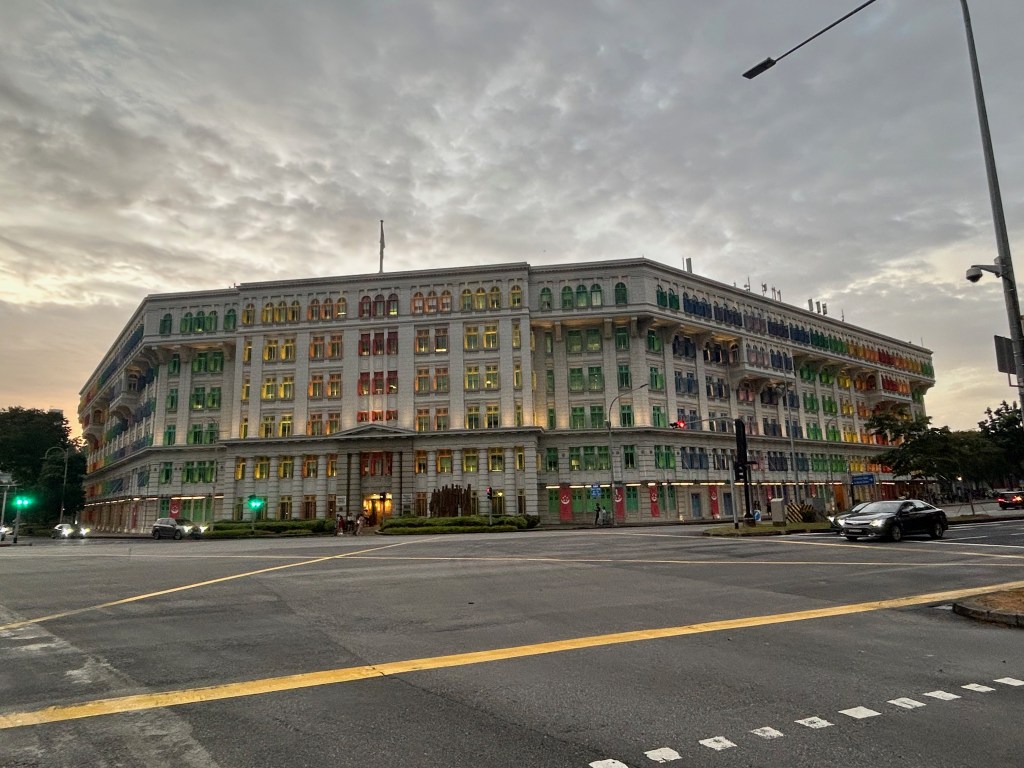
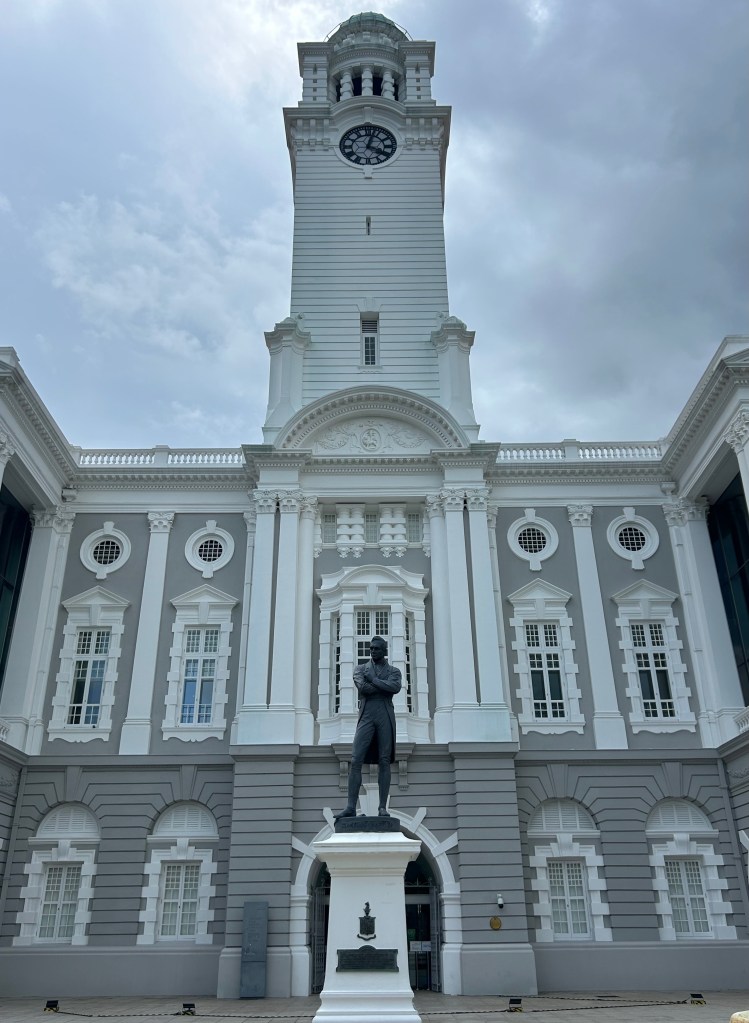
I explored areas like Sembawang and Yishun, witnessing their transformation from colonial or rural beginnings to modern urban hubs. The stark differences between the older and newer parts of the city-state illustrated Singapore’s relentless drive for progress. Visits to landmarks like the Marina Bay Sands promenade and Supertree Grove, as well as various other areas of the island left me in awe of the city’s architectural and technological achievements.
Despite its accomplishments, I reflected on the social and economic inequalities present, particularly the plight of lower-wage workers and migrant labourers. Their shy silent smiles, juxtaposed with the affluence visible in many parts of Singapore, added depth to my understanding of the country’s socioeconomic landscape.
Overall, Singapore offered me an unparalleled blend of cultural exploration, academic enrichment, and societal insights. It is a place where modernity and tradition coexist, creating a dynamic and thought-provoking environment that left a lasting impression on me.
Majulah Singapura!
 Islander Perspective
Leave a comment