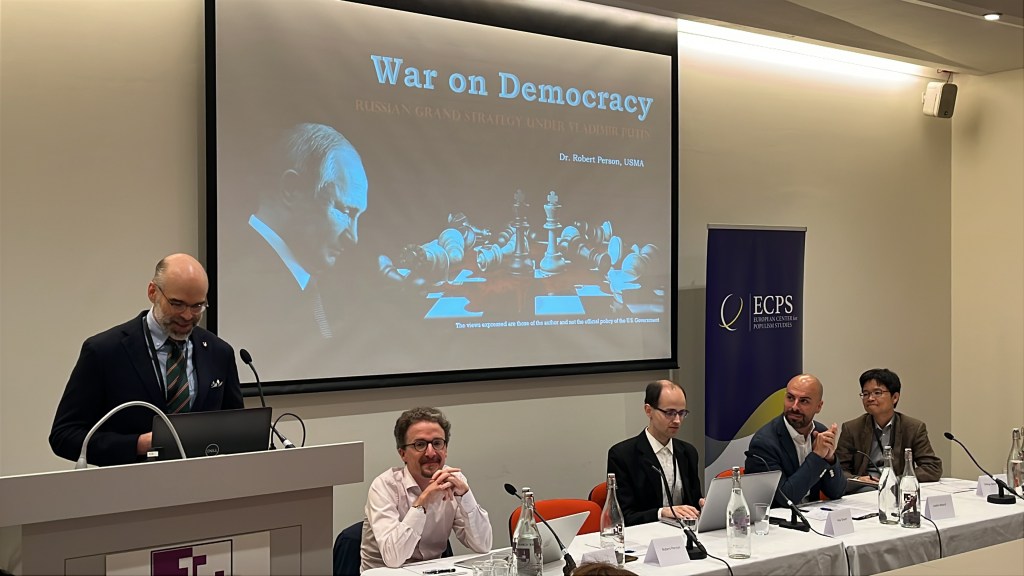
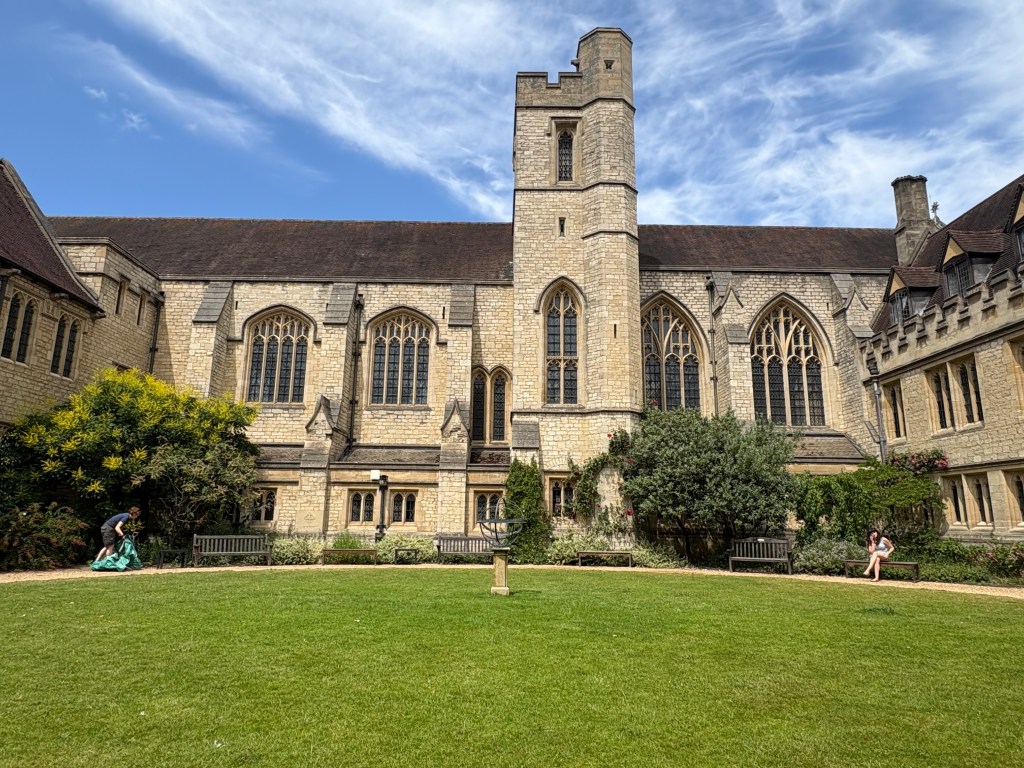
On 3rd July 2025, I participated in an interdisciplinary conference hosted by the European Centre for Populism Studies (ECPS) and the Humanities Division of the University of Oxford, held at St Cross College, entitled ‘We, the People’ and the Future of Democracy: Interdisciplinary Approaches.
The event sought to encourage a wide-ranging and cross-disciplinary conversation on the threats posed by democratic regression and the strategies available to strengthen resilience, with particular attention to transatlantic relations and Europe’s global role.
I was ecstatic to contribute to a panel of distinguished scholars, whose insights enriched my understanding of democracy from multiple angles. I also welcomed the thoughtful feedback I received on my own research and presentation. The panel’s theme was ‘The People’ in Schrödinger’s Box: Democracy Alive and Dead.
My presentation was based on a paper drawn from my doctoral work, examining the intersection of populism and democratic practice in small island nations, with a particular emphasis on lived, embodied political experience. I presented a comparative analysis of Malta and Singapore, drawing on ethnographic fieldwork undertaken in 2024.
The paper, currently under review with the Populism and Politics Journal, explores how populist rhetoric, informal power structures, and symbolic forms of control influence both the durability and decline of democratic values in such contexts. Moving beyond a focus on formal institutions, the study treats democracy as something experienced and enacted in everyday life, shaped by collective memory, dense interpersonal networks, and cultural practices.
In Malta, overt populism and entrenched patronage networks undermine meritocratic principles and transparency, cultivating loyalty that often comes at the cost of democratic integrity. Singapore, by contrast, relies on more subtle forms of populism and a closely managed public sphere, where stability is maintained through internalised norms and behavioural conformity, though often at the expense of civic vibrancy and pluralism.
The research demonstrates how, in small states, these dynamics are intensified: in Malta, politics becomes highly personalised, while in Singapore, social order is reinforced through behavioural regulation. Through a qualitative, ethnographic lens, the project reveals that the health of democracy in such environments is shaped not only by institutional design but also by the everyday experiences of citizens and the informal forces that govern political life.
In my latest article, Beyond Consumption, published in The Times of Malta, I highlight how Malta’s relentless pursuit of economic growth has shaped a society increasingly centred on consumption—leading to emotional exhaustion, social fragmentation, and declining trust. Drawing on recent research, the article calls for a systemic shift towards policies that place well-being, community cohesion, and meaningful life satisfaction above material accumulation.
In contemporary societies, individuals and society are increasingly trapped in a cycle of consumption that mirrors the patterns of addiction. The neoliberal economy, with its relentless pursuit of growth and profit, shapes not only economic policies but also invades the psyche, conditioning individuals to consume beyond need and crave beyond satisfaction.
Consumption has become a ritual, an existential requirement, and a fabricated necessity underpinning modern identity. In this context, addiction is not an anomaly – it is the defining logic of our time. This prevalent system, which prioritises profit over people, has transformed consumption into a compulsive behaviour deeply embedded in the fabric of everyday life. Whilst admitting that this analogy might sound powerful, it is important to acknowledge that addiction also has biological and psychological dimensions, involving complex neurological mechanisms of reward, dependency, and compulsion. These factors play a crucial role in shaping individual susceptibility to consumption-driven behaviours and reinforce the broader systemic forces at play. However, economic compulsion, though functionally similar to addiction in its repetitive and self-perpetuating nature, is not reducible to it. Unlike neurological addiction, which directly alters brain chemistry through dopamine-driven reinforcement, economic compulsion operates through systemic incentives, structural dependencies, and the deliberate engineering of markets to sustain continuous participation. The two are interwoven yet distinct: while personal addiction may intensify an individual’s engagement with consumption, economic structures themselves create an environment where dependency is not a disorder but a designed inevitability. Recognising this distinction strengthens the argument, demonstrating that breaking free from the consumption trap is not solely a matter of individual willpower but necessitates systemic change.
From a Marxist perspective, the addiction economy can be understood as a function of capitalism’s inherent contradictions. Marx posited that capitalism necessitates constant expansion to sustain itself, leading to the commodification of every aspect of life. The transformation of human desires into market-driven dependencies reflects what is referred to as false consciousness, wherein individuals internalise the needs of capital as their own. Under neoliberalism, the individual is positioned as a rational consumer, but this autonomy is an illusion; economic structures dictate the conditions of participation, compelling individuals to work and spend in ways that serve capitalist interests. Drawing from Durkheimian sociology, compulsive consumption can be linked to anomie, a state of normlessness where traditional social bonds erode due to rapid economic change. As Durkheim argued, when social cohesion weakens, individuals experience alienation, often leading to compulsive behaviours as coping mechanisms. The addiction economy thrives in precisely such an environment, where market imperatives replace communal solidarity, and consumption becomes the primary means of seeking identity and belonging.
Adorno and Horkheimer highlight how mass culture reinforces capitalist ideologies by fostering passive consumption. Social media, digital entertainment, and e-commerce platforms function as modern instruments of Althusser’s ‘ideological state apparatuses’, shaping desires and behaviours through algorithmic manipulation. The infinite scrolling mechanisms of platforms like TikTok and Instagram, the predictive algorithms of Facebook, and the gamification of consumer engagement all exemplify how technology engineers dependency, mirroring the reinforcement cycles seen in substance addiction. Furthermore, symbolic interactionism provides insight into how consumer identity is constructed and maintained through social interaction. Goffman’s concept of impression management explains how individuals curate their consumer choices to signal social status, belonging, or distinction. This social performance is exacerbated by targeted advertising and algorithmic reinforcement, which construct an environment where self-worth is equated with market participation. As Bourdieu illustrates, cultural capital is now deeply tied to consumption patterns, making escape from the cycle of addiction nearly impossible without a fundamental reordering of social values.
Sirgy’s triadic framework of wellbeing – hedonic, eudaimonic, and life satisfaction – offers further insight into the consequences of compulsive consumption. Hedonic wellbeing, associated with pleasure and immediate gratification, is central to consumer culture, where individuals seek dopamine-driven rewards through material acquisition. However, this short-term pleasure often fails to translate into sustained happiness. The empirical findings from The Economy of Wellbeing: Bridging the Gap baseline survey reinforce this point: 19.5% of respondents reported being “not very happy,” despite high levels of material consumption. Eudaimonic wellbeing, which relates to personal growth, self-actualisation, and meaningful engagement, is frequently undermined by an economy that prioritises consumption over fulfilment. Instead of fostering purpose, the addiction economy perpetuates a sense of inadequacy, ensuring that individuals remain dependent on external validation through material goods. Life satisfaction, the cognitive component of wellbeing, is also compromised, as economic structures that drive overconsumption simultaneously erode financial security, work-life balance, and social relationships. Findings from the survey indicate that 31.2% of respondents cite work-life balance dissatisfaction as a major source of distress, and leisure time is highly valued (50.5%), yet remains inaccessible due to economic pressures. Sirgy’s framework thus highlights how the addiction economy not only conditions individuals into cycles of compulsive consumption but also systematically obstructs the very dimensions of wellbeing that contribute to genuine human flourishing.
The survey further underscores the social consequences of the addiction economy. Low levels of social trust (only 30.8% of respondents trust most people in their community) reflect a fragmentation of social cohesion, mirroring Durkheim’s concept of anomie, where weakened social bonds lead to alienation and compensatory behaviours such as compulsive consumption. Financial insecurity also plays a crucial role: 11.5% of respondents cited the high cost of living as a source of dissatisfaction, reinforcing the argument that financial strain compels individuals to participate in the consumption cycle, even when it undermines their wellbeing. Additionally, mental health concerns are prevalent, particularly among younger respondents (18-29), who report high levels of stress and anxiety, suggesting that consumption serves as a coping mechanism for broader psychological challenges. The survey also reveals a reliance on close-knit relationships for emotional support, with 95.3% of respondents trusting family the most, while broader community trust remains low. This suggests that the erosion of communal solidarity under capitalism contributes to the individualisation of wellbeing and the rise of consumption as a substitute for social connection.
The neoliberal economy does not merely exploit addiction – it depends on it. As long as profit remains the primary measure of success, individuals will be ensnared in a system that conditions them to consume without fulfilment, work without security, and seek happiness in things that can never provide it. The challenge, therefore, is not merely to resist consumption but to dismantle the structures that make addiction the foundation of our economic system. Reclaiming autonomy, both individually and collectively, requires a profound reimagining of social and economic relations. Instead of measuring success through endless accumulation, society must prioritise community, security, and sustainability. By strengthening cooperative economies, reinforcing social infrastructure, and challenging consumerist norms, we can begin constructing a world where social wellbeing replaces consumption as the organising principle of life.
Wellbeing is a multidimensional construct influenced by economic security, social capital, and institutional structures. This study explored the relationship between hedonic wellbeing (happiness and pleasure), eudaimonic wellbeing (purpose and meaning), and life satisfaction, examining their relevance within Malta’s socio-political landscape. Moving away from top-down governance, this research adopts a participatory, evidence-based approach to policymaking, ensuring that societal needs drive legislative frameworks. In a time when populism provides a false sense of security in resolving socio-economic challenges, the rise of far-right politics across Europe and beyond poses the risk of regressing to historical instability. The global order, shaped by decades of progress, faces threats from reactionary politics, necessitating policies grounded in evidence-based governance to mitigate dynamic socio-economic shifts. As the economy continues to achieve unprecedented results, it is crucial to transition towards policies that prioritise social resilience and long-term community wellbeing.
Research Strategy and Scope
This study follows a mixed-methods approach, combining quantitative survey data with qualitative insights from open-ended responses. By engaging diverse demographic groups, including different socio-economic classes, age cohorts, and occupational sectors, it provides a comprehensive overview of happiness, purpose, and life satisfaction within broader socio-ecological determinants such as work-life balance, financial security, and community trust. Beyond individual perspectives, this research informs policy frameworks that enhance resilience, governance, and political engagement. By embedding wellbeing within a political-economic structure, it ensures that findings shape long-term governance strategies. The initial survey establishes the agenda for continuous research, forming the driving force behind MEP Thomas Bajada’s political agenda at the European Parliament. This shift away from bi-party politics, which operates on legislative timeframes, fosters an ongoing dialogue between policymakers and society.
Hedonic and Eudaimonic Wellbeing
Findings suggest that subjective happiness is closely tied to social capital, with a significant portion of respondents reporting high levels of happiness. Family relationships emerge as the strongest determinant, reinforcing the importance of kinship and emotional support. However, generational variations reveal that young adults associate happiness with career aspirations and friendships, while older respondents prioritise family cohesion and religious affiliation. These patterns reflect theories of social integration, demonstrating how social relationships influence wellbeing. Eudaimonic wellbeing, which relates to purpose and meaning, is driven by occupational stability and community participation. Religious engagement plays a significant role among older respondents, highlighting its contribution to moral guidance and existential security. However, work-life balance dissatisfaction points to contradictions within contemporary capitalism, where economic success is achieved at the cost of personal fulfilment and family time. These disparities underscore systemic inequalities in access to wellbeing resources and the need for policy interventions that balance economic productivity with social cohesion.
Life Satisfaction and Economic Stability
Economic security remains a primary determinant of life satisfaction, with concerns over the cost of living and job-related stress emerging as key sources of dissatisfaction. Family networks continue to function as vital sources of support, reinforcing Bourdieu’s concept of familial capital. However, increased reliance on state-funded childcare schemes, designed to encourage labour force participation, raises concerns about intergenerational resilience. While these schemes have successfully boosted employment, they have also resulted in apparent social costs, as parents struggle to invest sufficient time in child-rearing. This shift has contributed to a generation with diminished resilience, highlighting the need for family-friendly policies that enable parents to be more actively involved in their children’s development. Policy measures must also address the growing social fragmentation caused by increasing levels of distrust within communities. Incentivising family-oriented solutions and strengthening voluntary sector support will be key to restoring social cohesion and trust.
Political Scope and Policy Implications
The research underscores the political nature of wellbeing, advocating for a transition from reactive, short-term policies to proactive, sustainable governance. By integrating wellbeing measures into policy frameworks, Malta can move towards evidence-based governance that prioritises economic security, social trust, and community engagement. Trust in institutions is alarmingly low, reflecting widespread scepticism and increasing social fragmentation. While family remains the most trusted institution, distrust in broader societal structures necessitates targeted policies that enhance civic engagement and reinforce community networks. By placing participatory governance at the heart of policymaking, this study marks a departure from traditional top-down approaches. The shift to a participative methodology ensures that policymaking prioritises the experiences and aspirations of Maltese society, bringing all strata of the community—including marginalised groups—into the decision-making process. This inclusive approach strengthens long-term resilience and ensures that policies remain adaptable to the evolving needs of society.
Wellbeing in Malta is shaped by economic security, social cohesion, and participatory governance. However, challenges such as work-life balance inequalities, declining social trust, and generational disparities require targeted interventions. Policies must address economic precarity, promote family resilience, and strengthen civic networks. By embedding wellbeing into long-term governance strategies, Malta can move beyond electoral cycles, ensuring a sustainable, research-driven political framework that fosters collective resilience and inclusive development. This study reinforces the necessity of continuous policy reform to meet the changing aspirations of society. Evidence-based governance remains the most effective tool in countering populist rhetoric, which offers superficial solutions to deep-rooted socio-economic challenges. Now is the time to provide honest and credible hope to a society that has catered to market needs and driven economic success but must now prioritise social stability for both present and future generations.
Today, I had the opportunity to present my research at the conference hosted by the Wilberforce Institute and organised by the Energy and Environment Institute at the University of Hull. The title of my research is Transforming Tides: Sociocultural and Environmental Impacts of Urbanisation in St. Julian’s, Malta. It examines the profound sociocultural transformations within this fishing community, shaped by the pressures of urbanisation and gentrification.
Through a sociological lens, I explored how water functions as a cultural and political force, the enduring symbolism of traditional boats and fishing gear, and the critical importance of safeguarding communal spaces and maritime heritage.
By upholding unconventional socio-environmental concepts that can inform broader frameworks, my work highlights the necessity of balancing tradition, resilience, and sustainable progress.
I am glad to have been part of such a vibrant academic dialogue and to contribute to the understanding of maritime communities’ sociological dynamics.
It was a fantastic opportunity to engage with an interdisciplinary group of participants, presenting exciting prospects for future research collaborations.
Members of the St. Julian’s Fishing CommunityWilberforce Institute – Hull
Wellbeing is more than a personal experience—it’s the cornerstone of a united and thriving society. However, in the face of growing inequality, environmental challenges, and a rapidly evolving digital landscape, a fresh perspective is urgently needed.
Commissioned by MEP Thomas Bajada, this study adopts a participatory approach where the voices of our communities drive the conversation. By moving away from top-down strategies and embracing a collaborative, people-first method, we aim to redefine what it truly means to live well in Malta.
In partnership with MISCO, I will lead the sociological aspect of this research, ensuring that the findings reflect the realities and aspirations of all Maltese communities.
Together, we can create a future where policies are grounded in real experiences, inclusivity guides decisions, and every voice contributes to shaping our collective wellbeing.
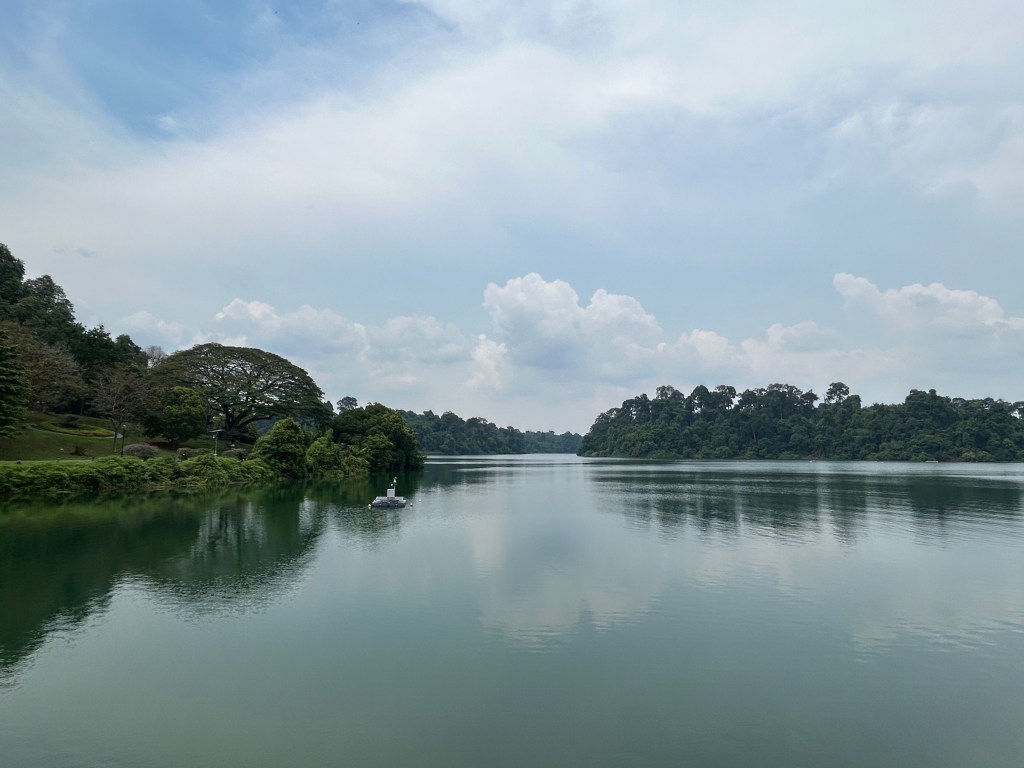
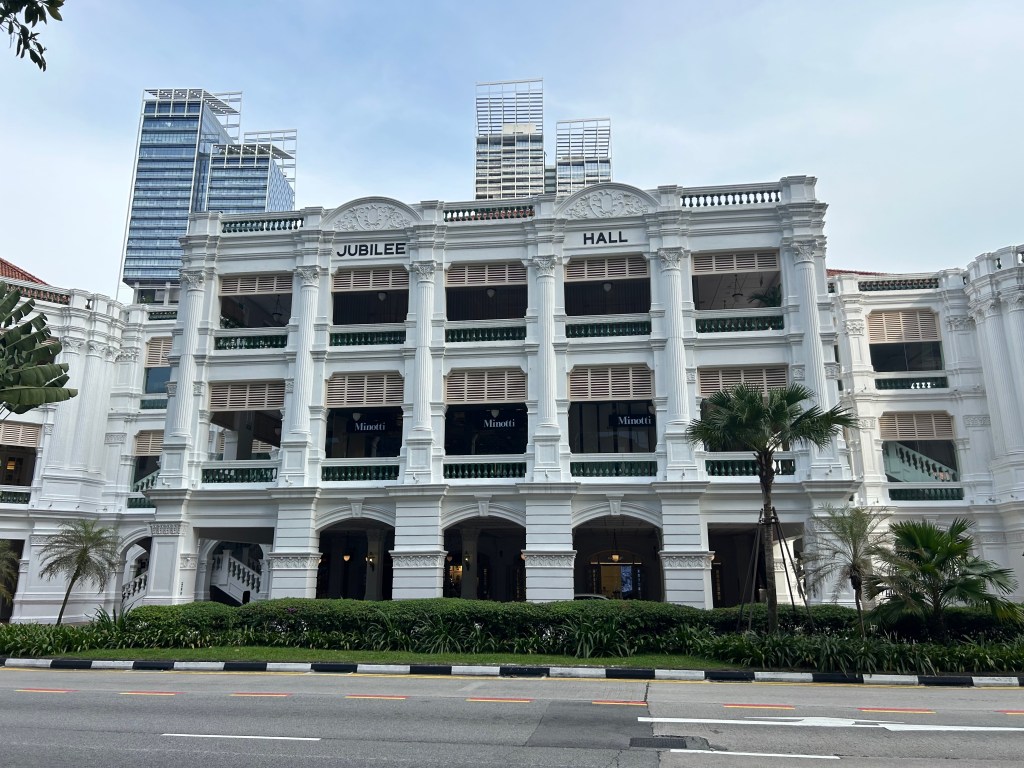
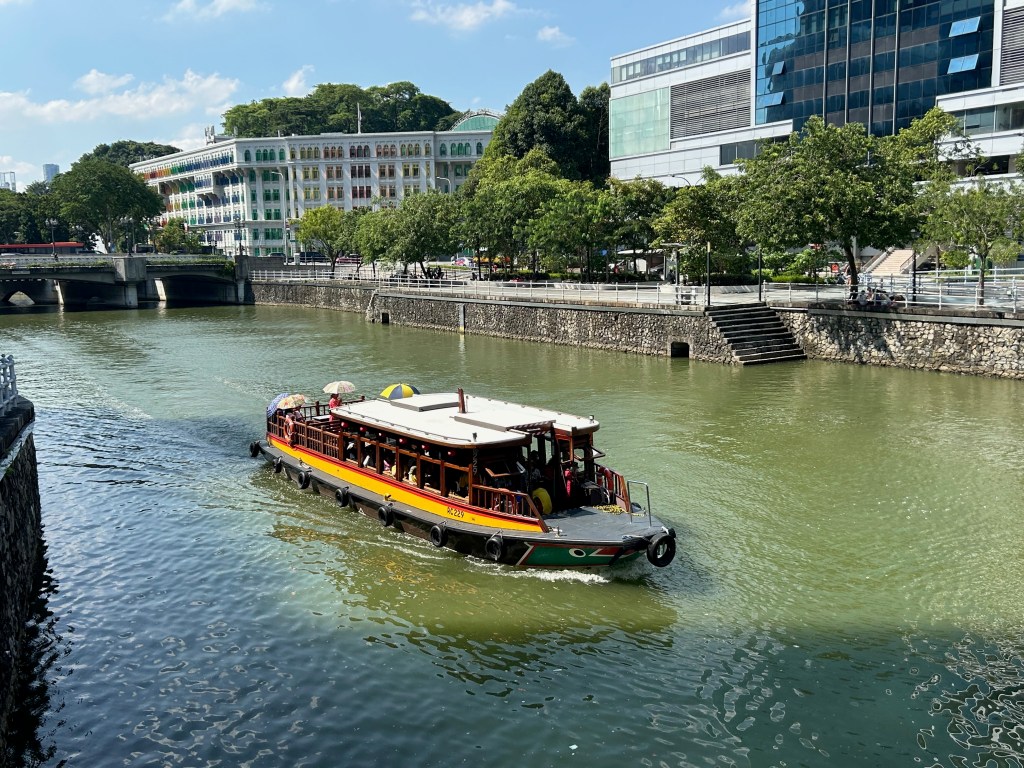
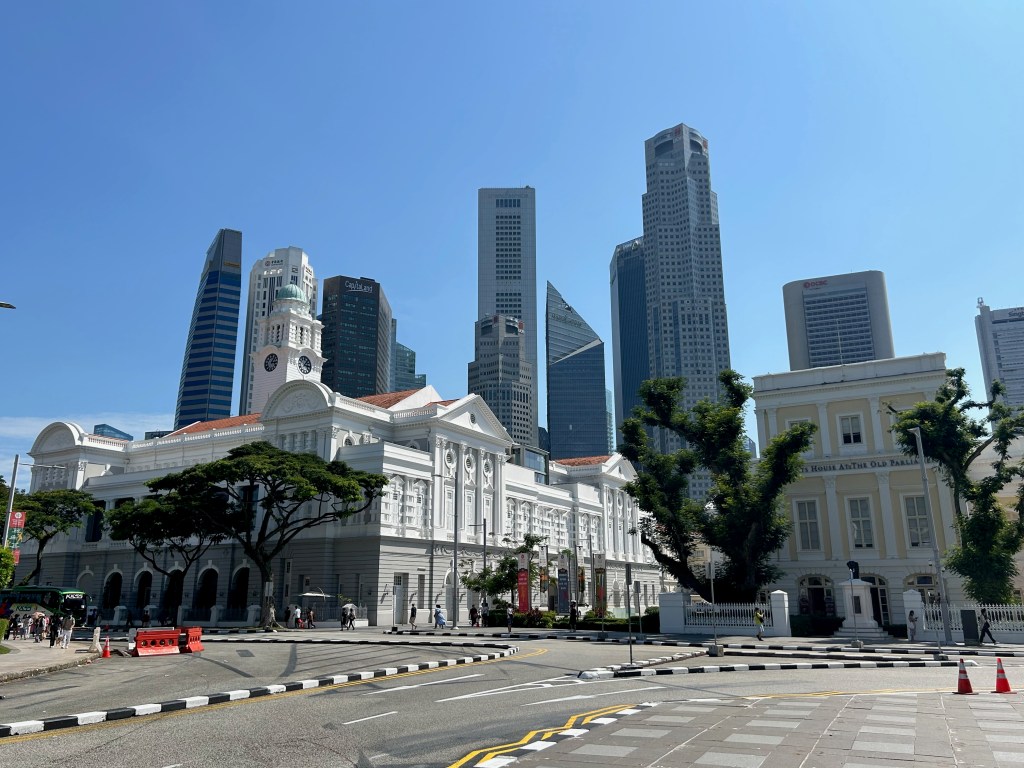
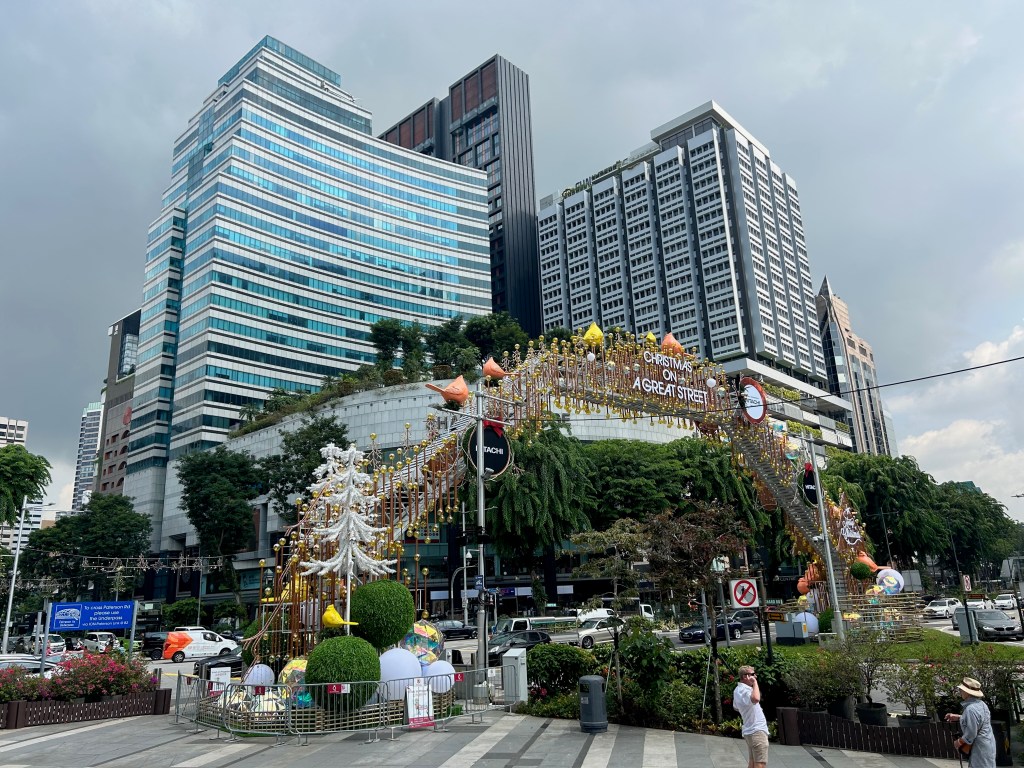
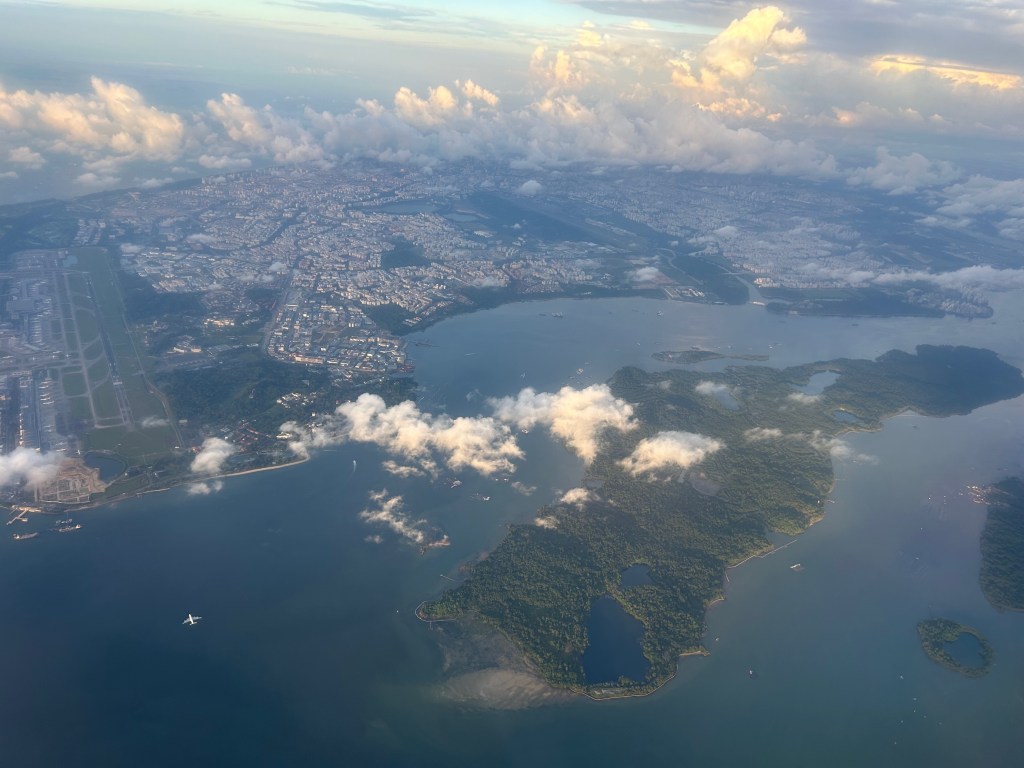
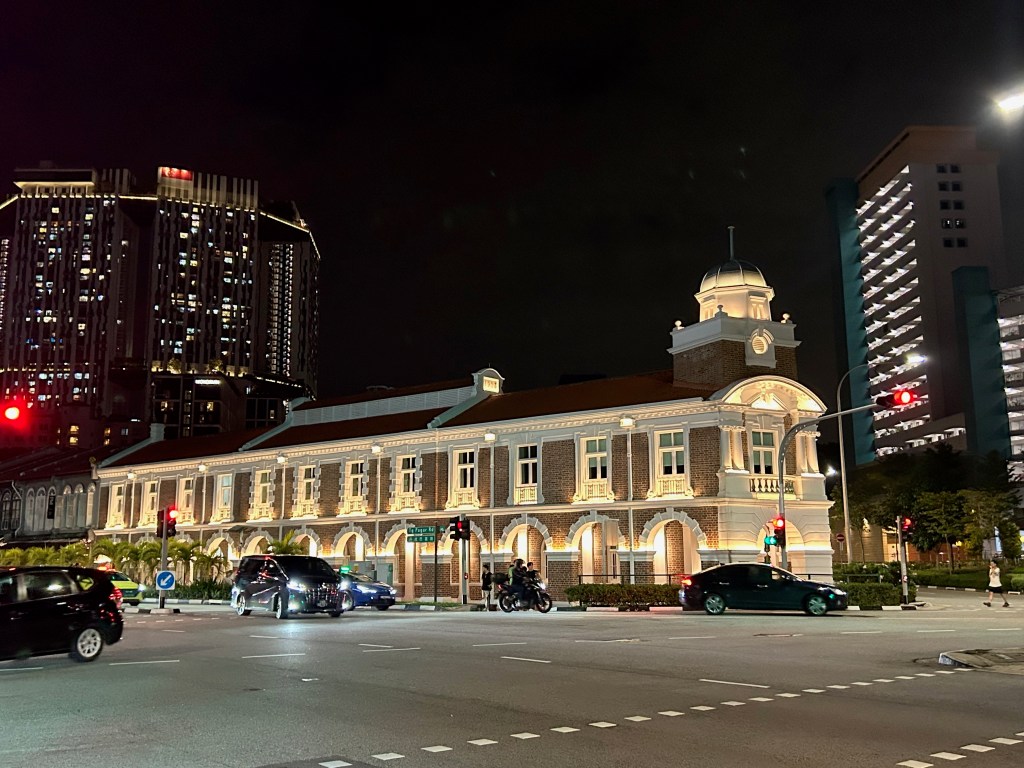
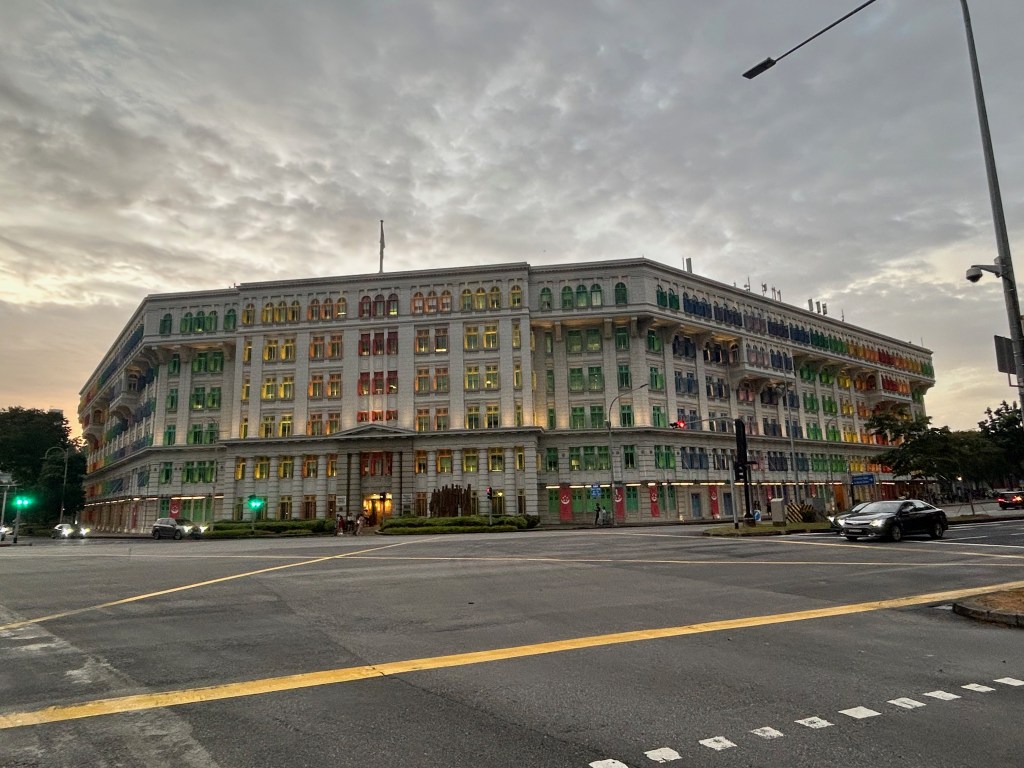
My time in Singapore was an immersive journey into a city-state that perfectly balances modernity with cultural richness, creating a unique environment that continuously piqued my curiosity.
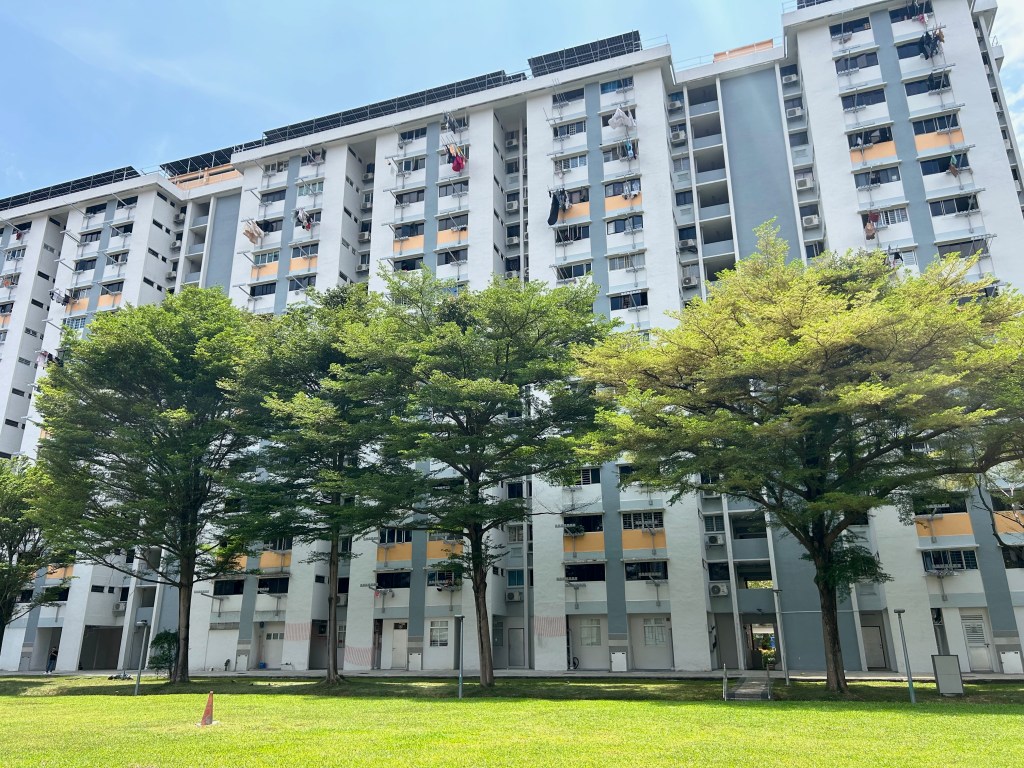
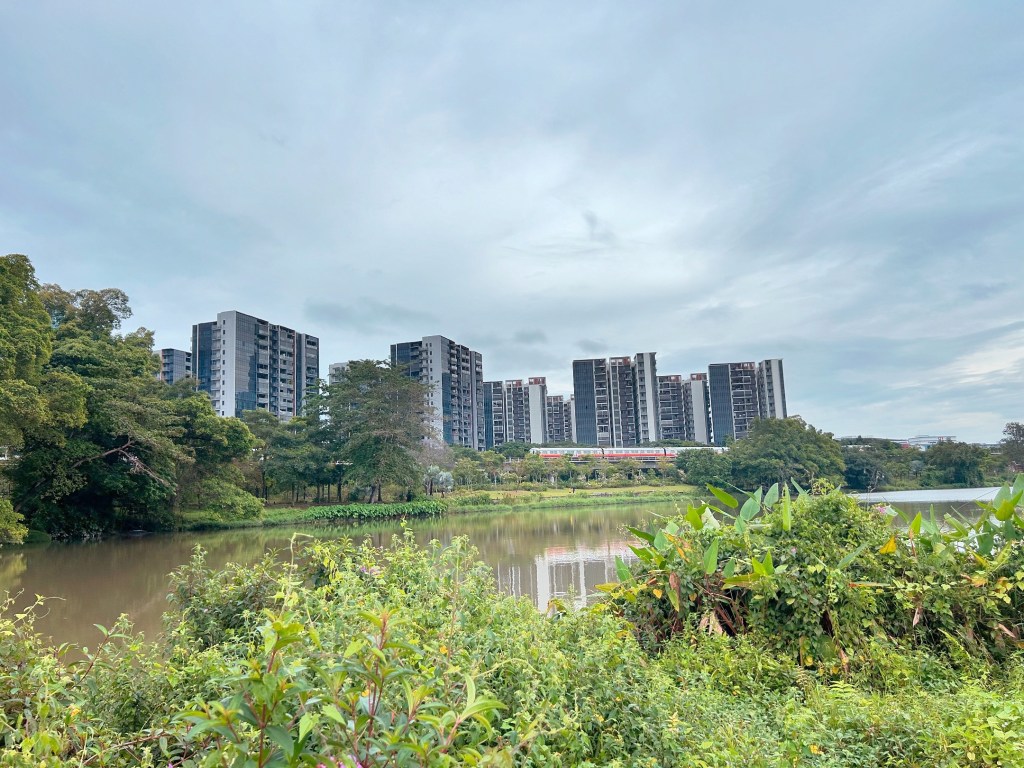
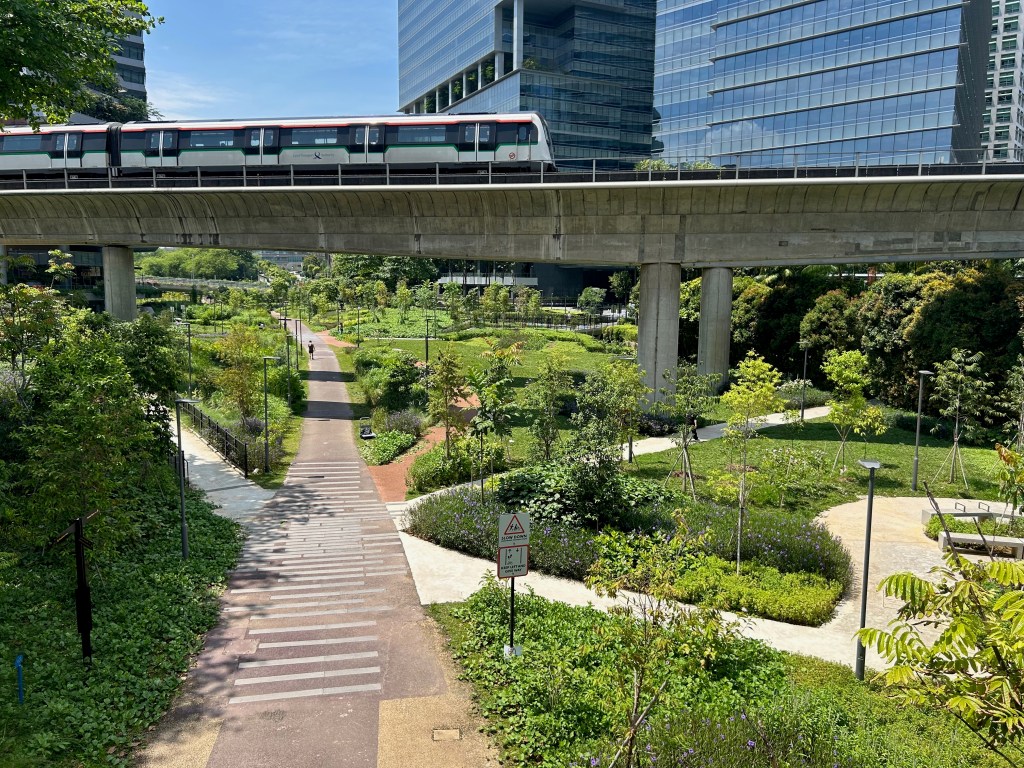
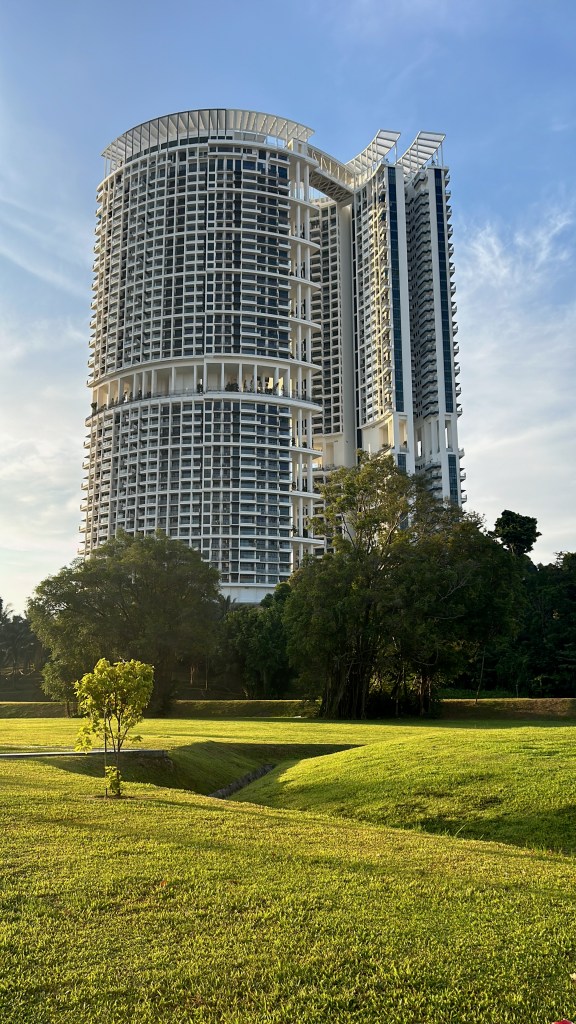
One of the first things I noticed was the city’s astonishing cleanliness, efficient public transport system, and the impressive respect and discipline that seemed to govern everyday interactions. Traveling to Jurong, where I stayed in a sprawling condominium complex, I was captivated by the neat landscaping, spacious amenities, and the serene environment, despite its urban density.
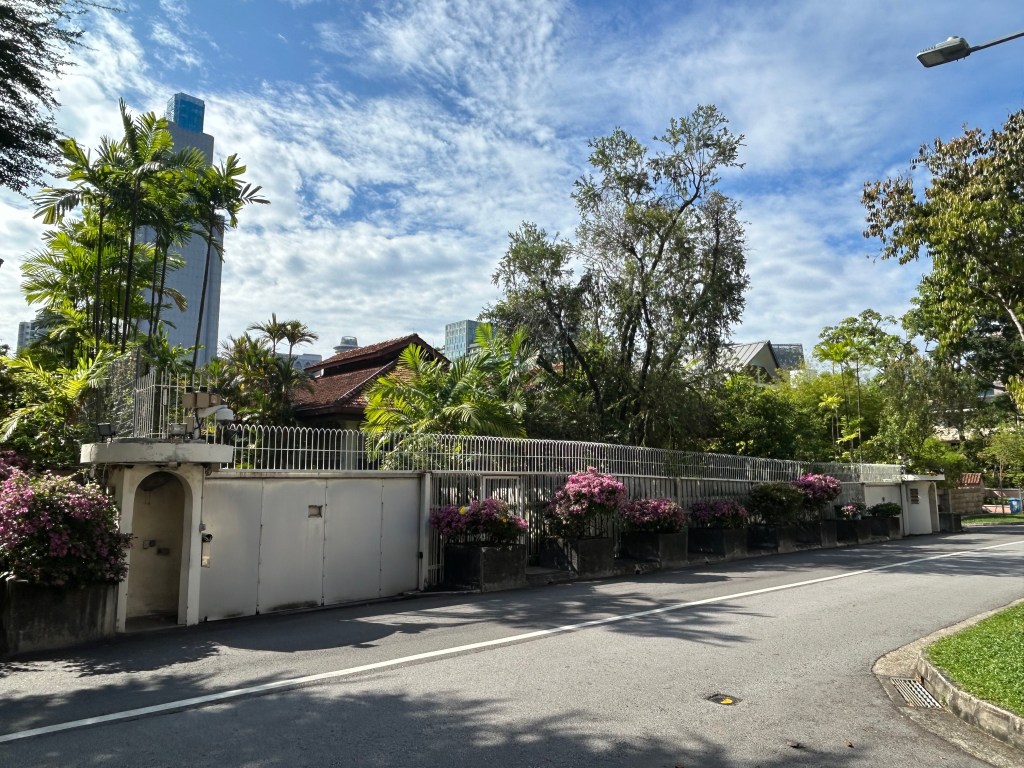
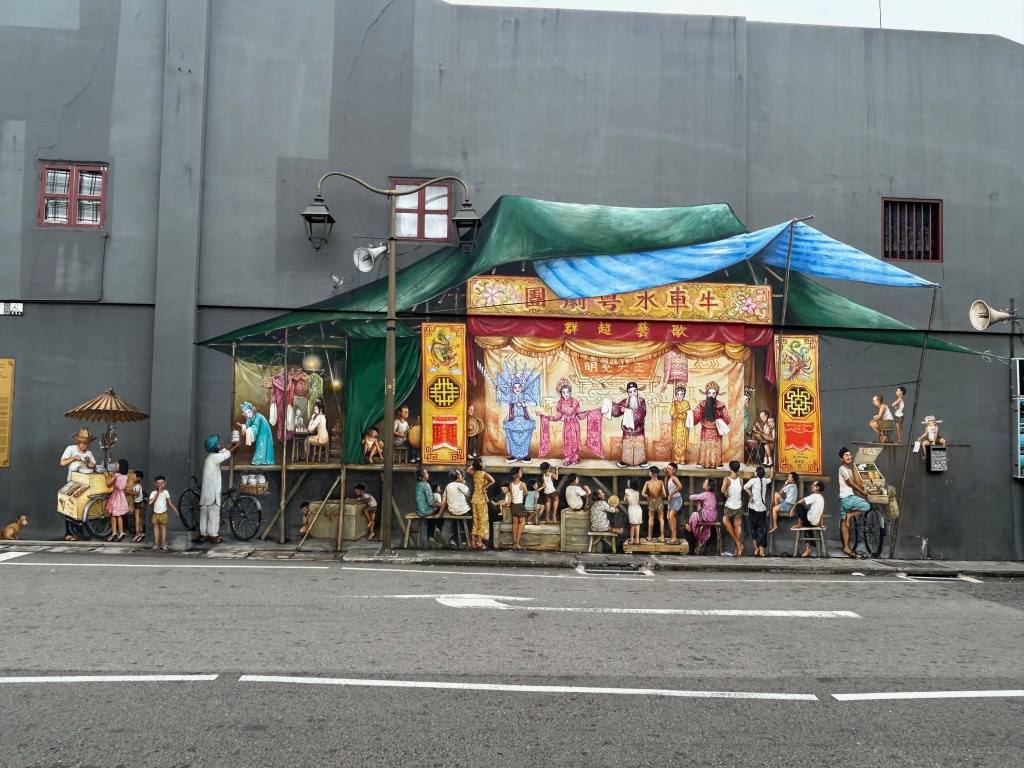
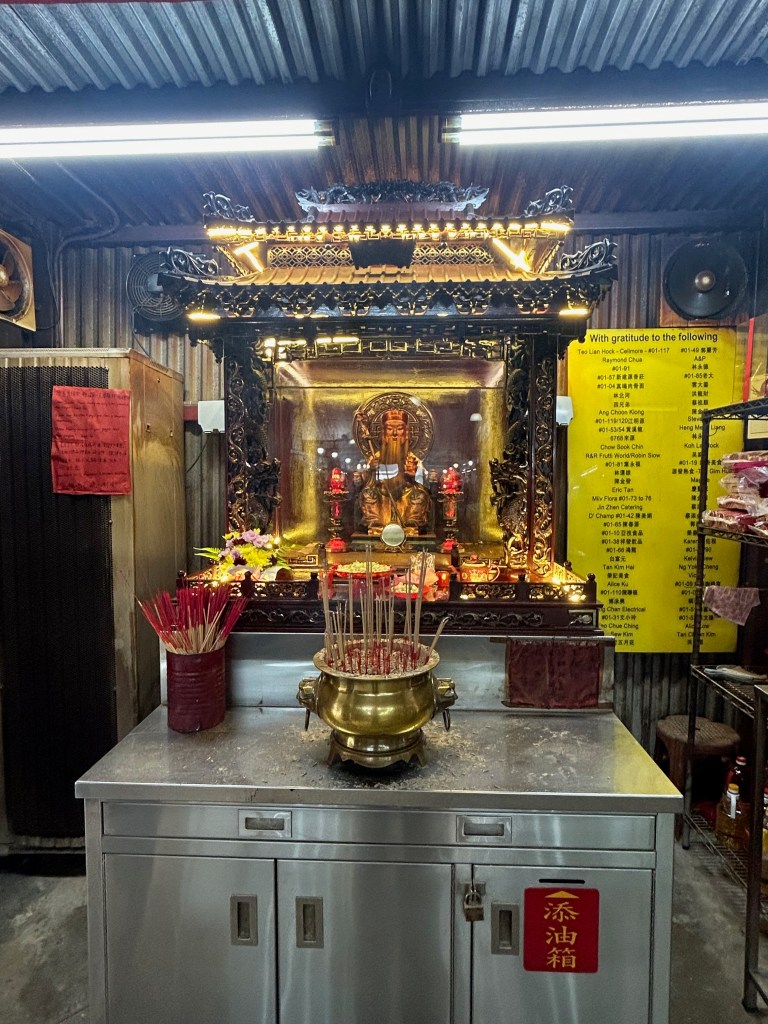
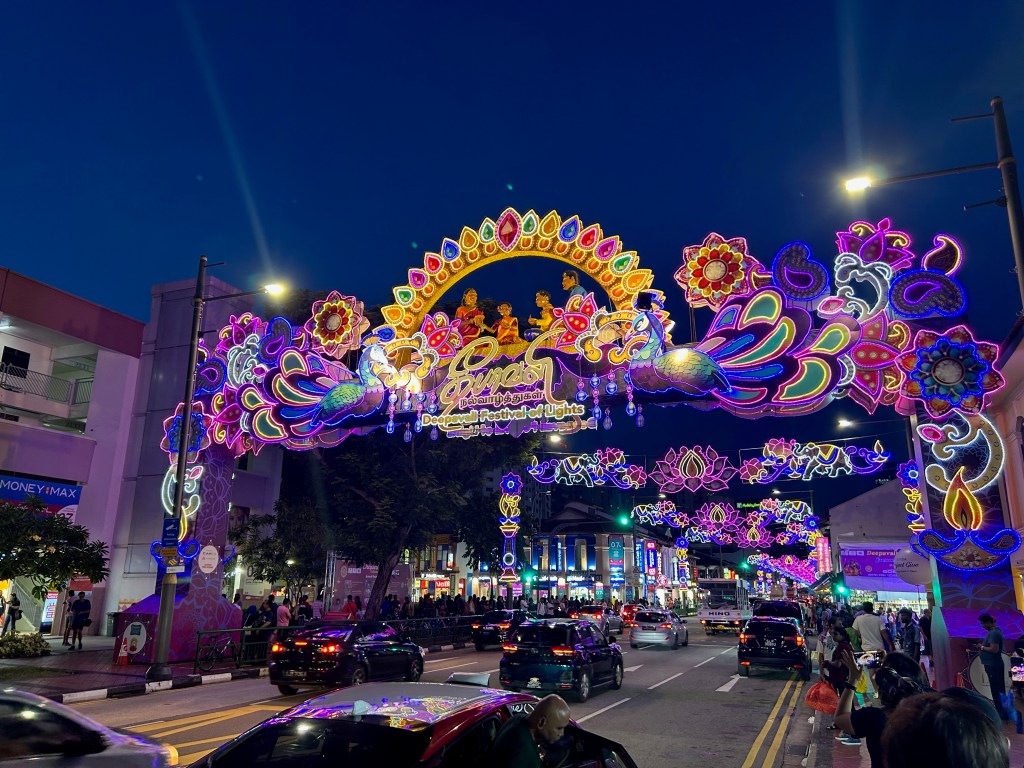
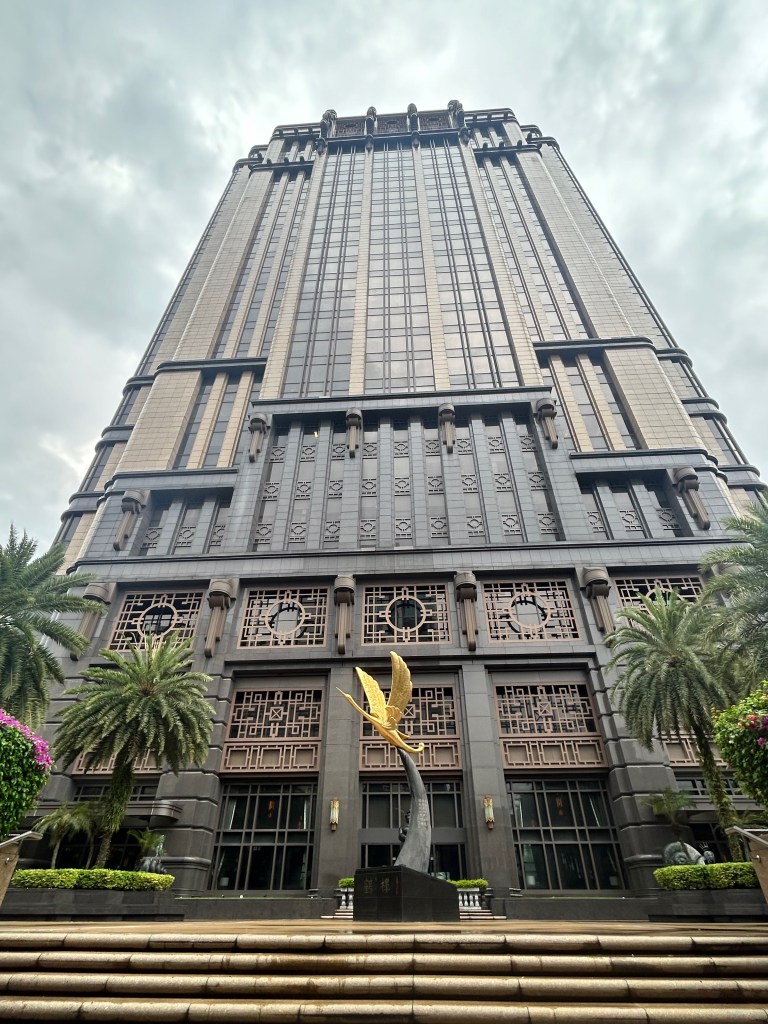
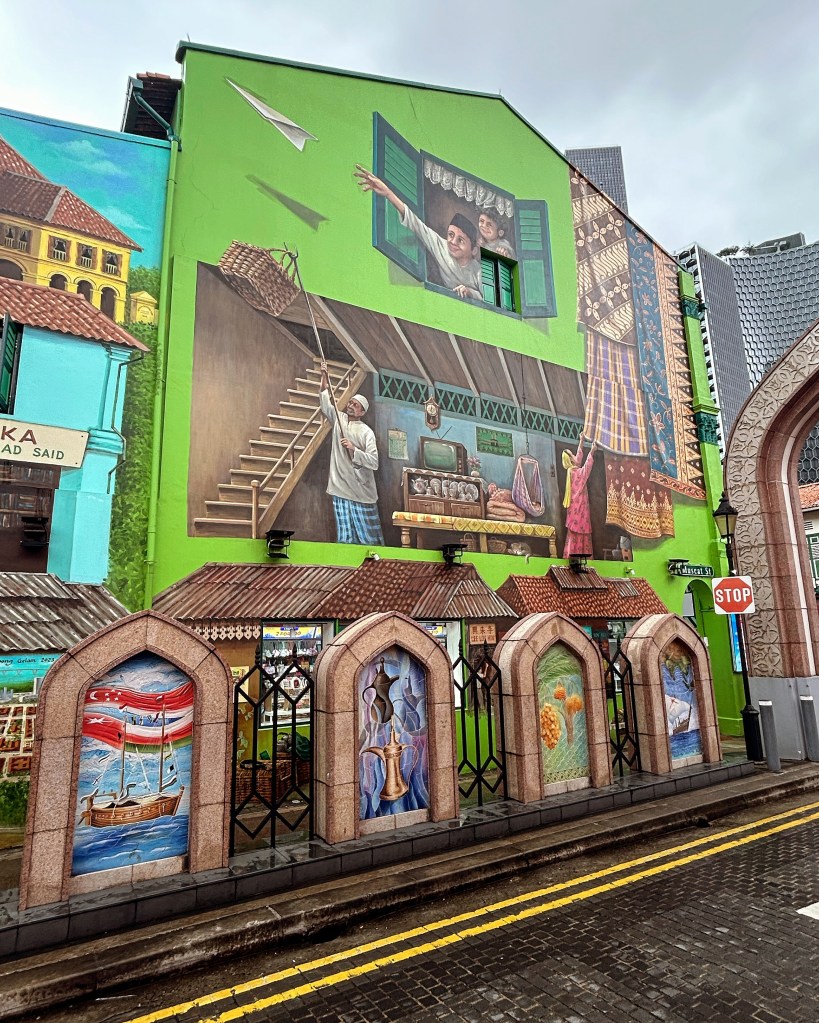
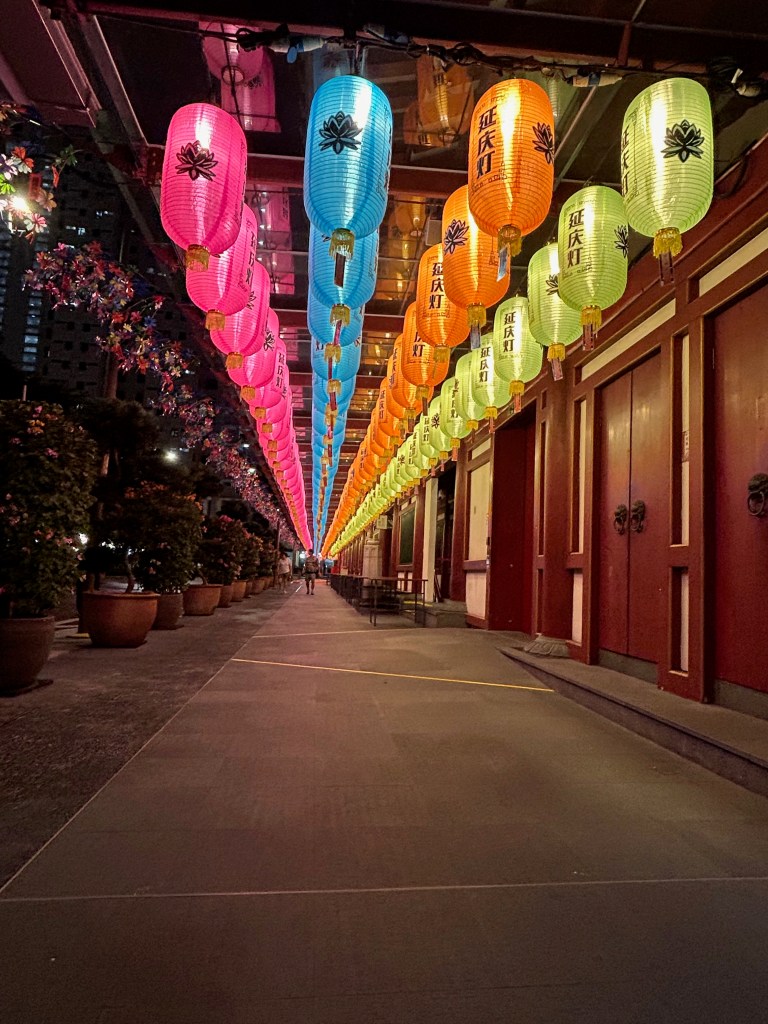
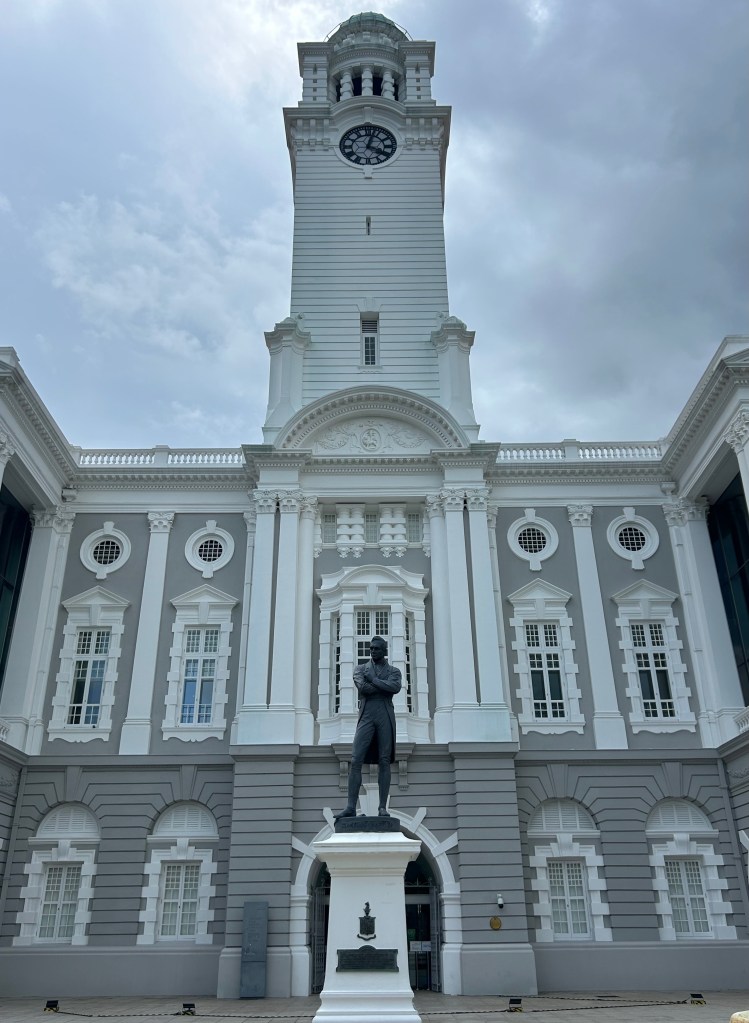
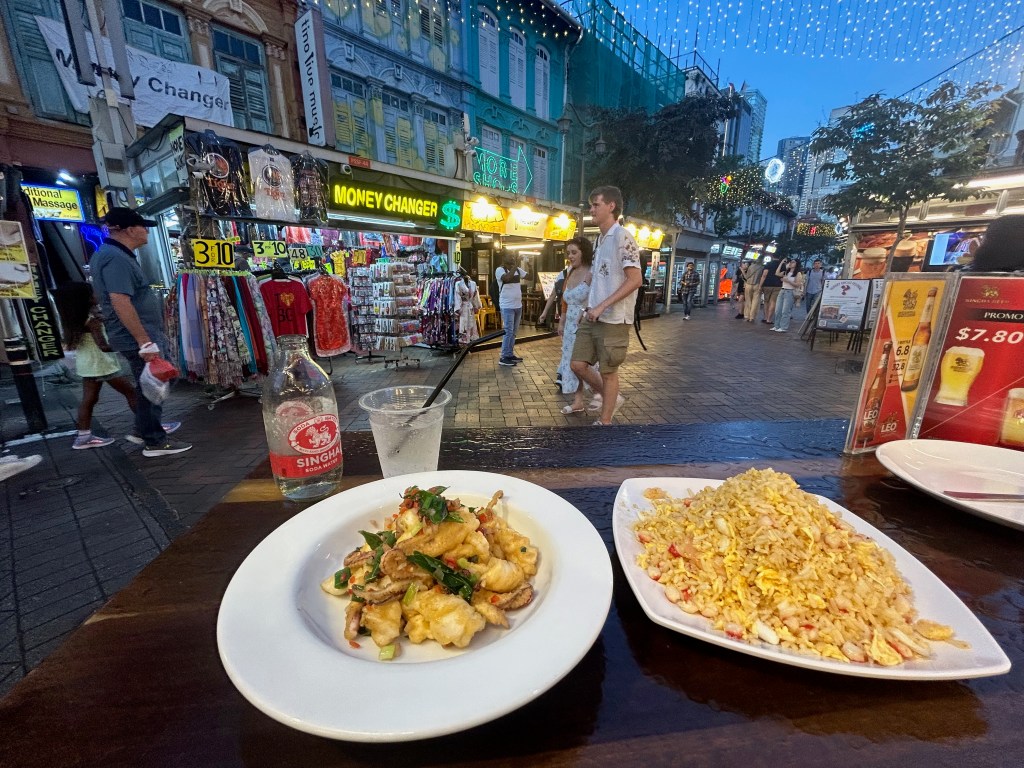
The vibrant multiculturalism of Singapore revealed itself in various ways. I explored the iconic Raffles Place, Chinatown, and Little India, each offering its own distinctive character. Raffles Place, with its towering skyscrapers, reminded me of the iconic American and European business districts, while Chinatown transported me to a bustling and vibrant movie scene steeped in Chinese heritage. Little India stood out with its colourful streets, tantalising aromas, and warm, welcoming community.
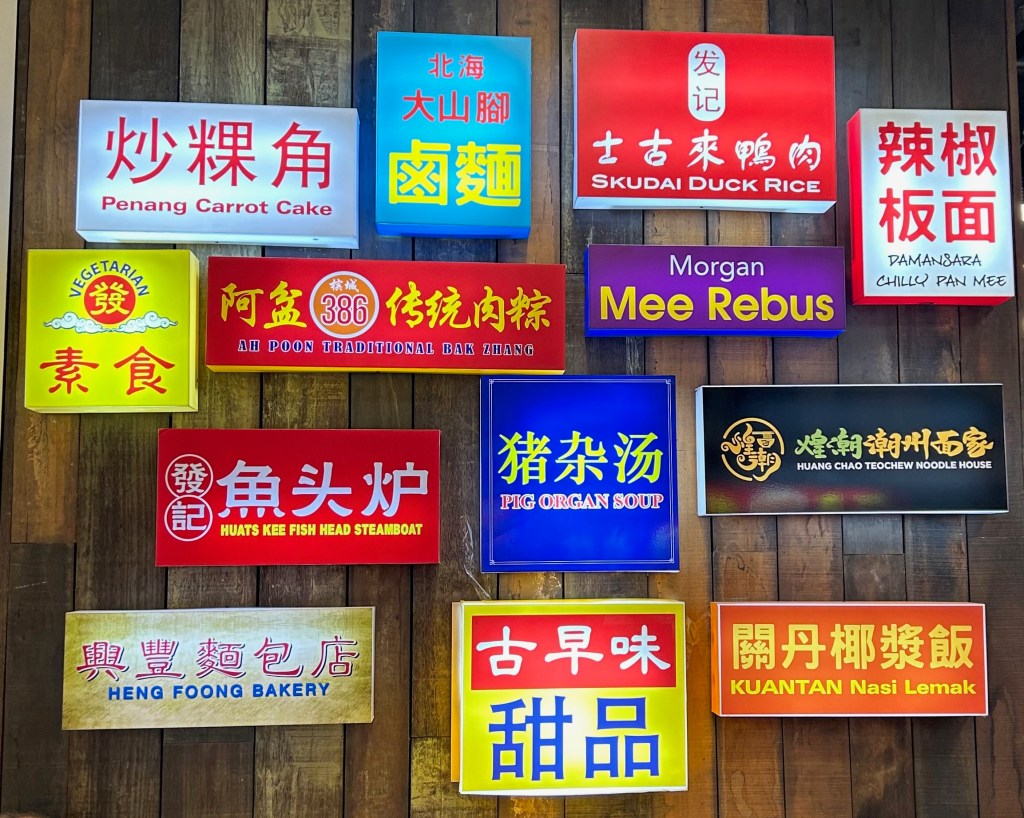
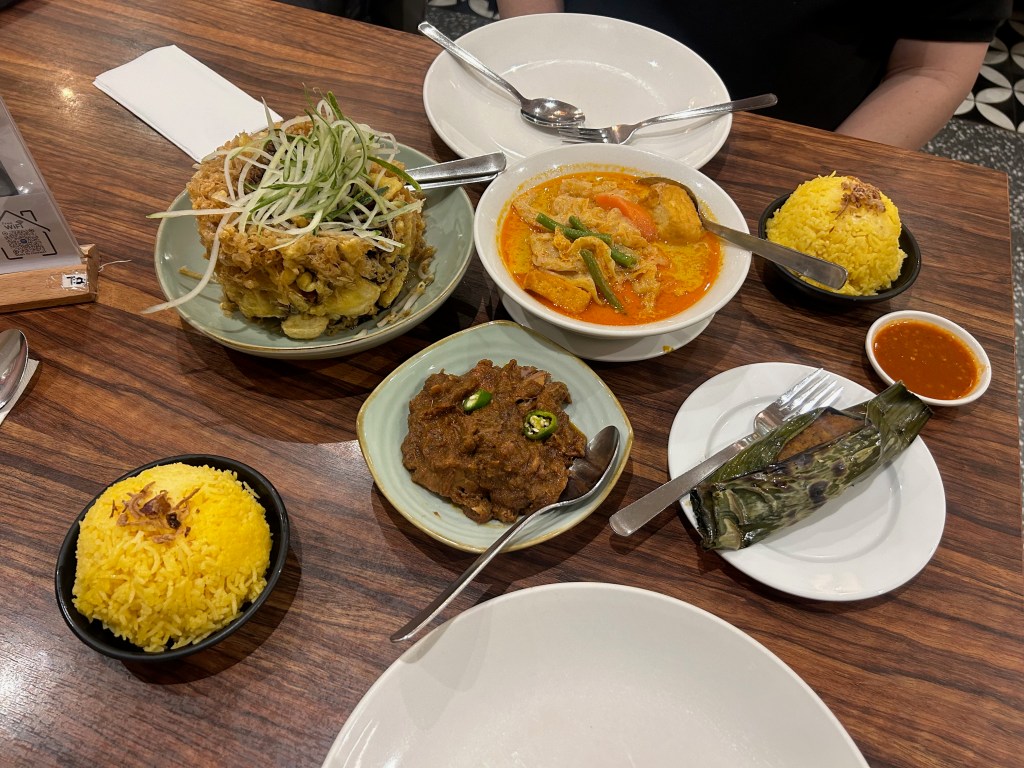
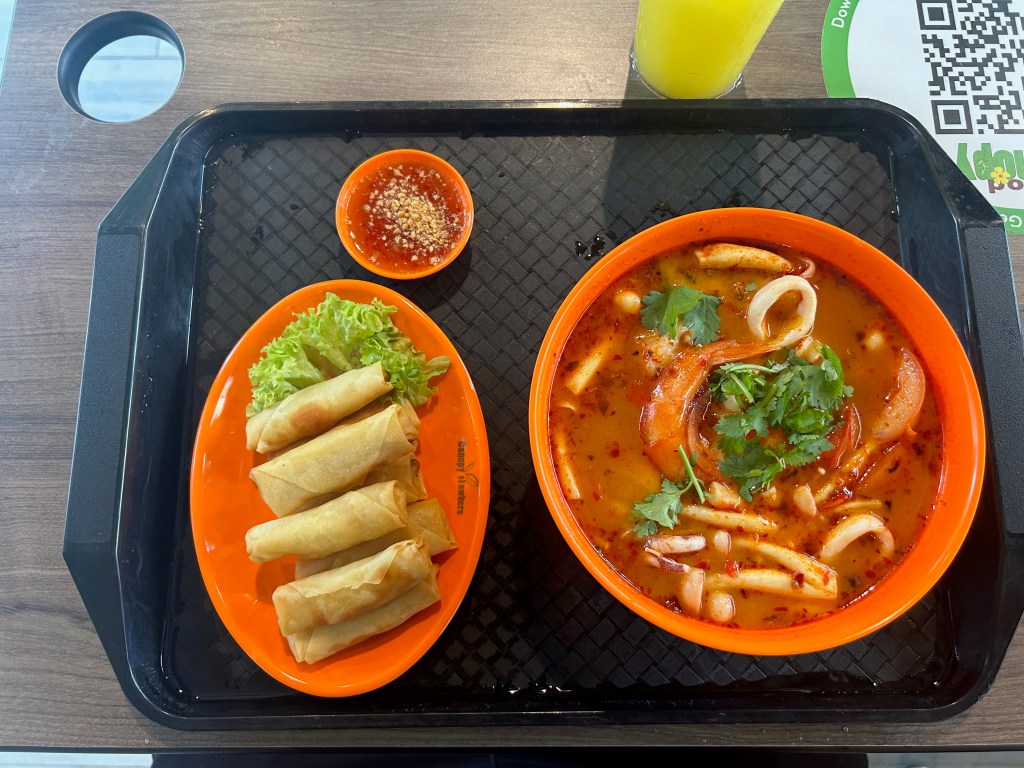
Food was a constant highlight, from hawker markets offering heavenly Asian cuisine to traditional dishes that blended flavours in ways I had never experienced before. The hawker markets also provided insight into the communal nature of life here, where people from different walks of life gathered to enjoy affordable, high-quality meals.
I was equally struck by the cultural dynamics and social structures. The prevalence of the Chinese population and their dominance in certain societal aspects stood out, as did the warmth of the Malay and Indian communities. However, I couldn’t help but observe the subtle racial tensions and the reserved demeanour of many locals, particularly the Chinese, towards foreigners. The city’s order, even in crowded public spaces like MRT stations, was a cultural shift that I found intriguing.
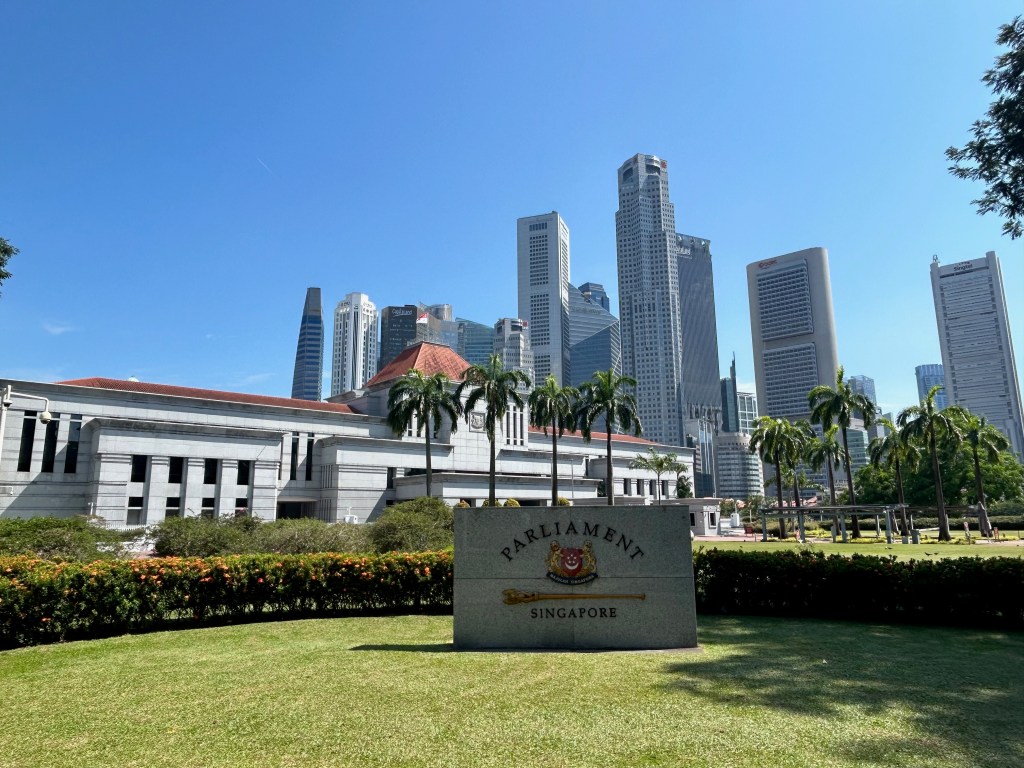
My academic engagements at NTU and NUS deepened my understanding of Singapore’s intricate governance model, blending strong state with meritocracy. The lectures and discussions with scholars and activists provided me insights into policies that emphasised personal responsibility, national identity, national development, and social cohesion. These lessons, alongside observations of everyday life, painted a picture of a nation striving for economic success while maintaining cultural integrity and social harmony.
National Day celebrations were an impressive spectacle of patriotism and military might, showcasing Singapore’s identity as a resilient and self-reliant nation. The military parade, complete with aerial displays, exemplified the country’s commitment to excellence and readiness. Yet, beneath the grandeur, I felt the weight of historical tensions with neighbouring countries and the nation’s reliance on strong governance for stability.
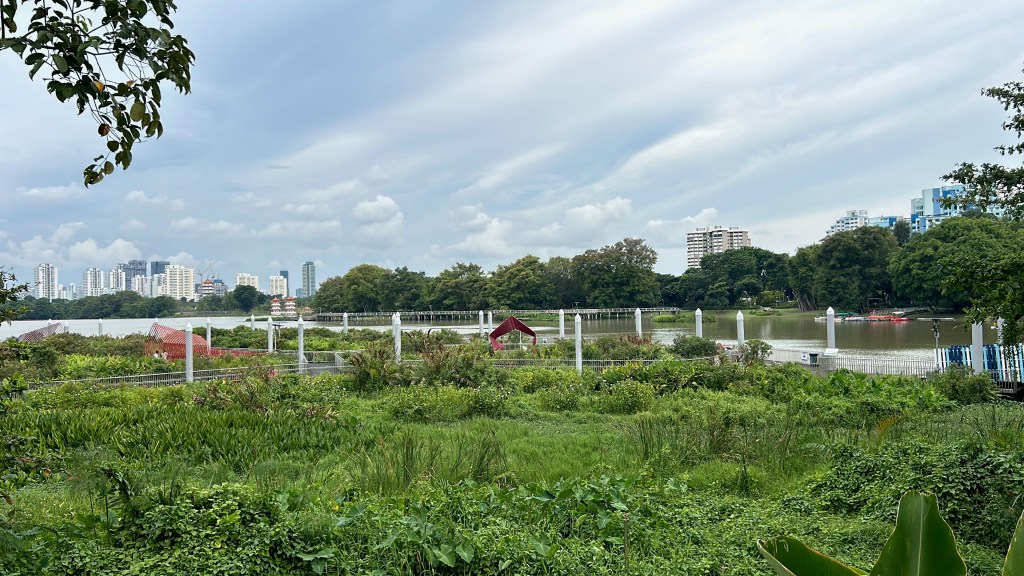
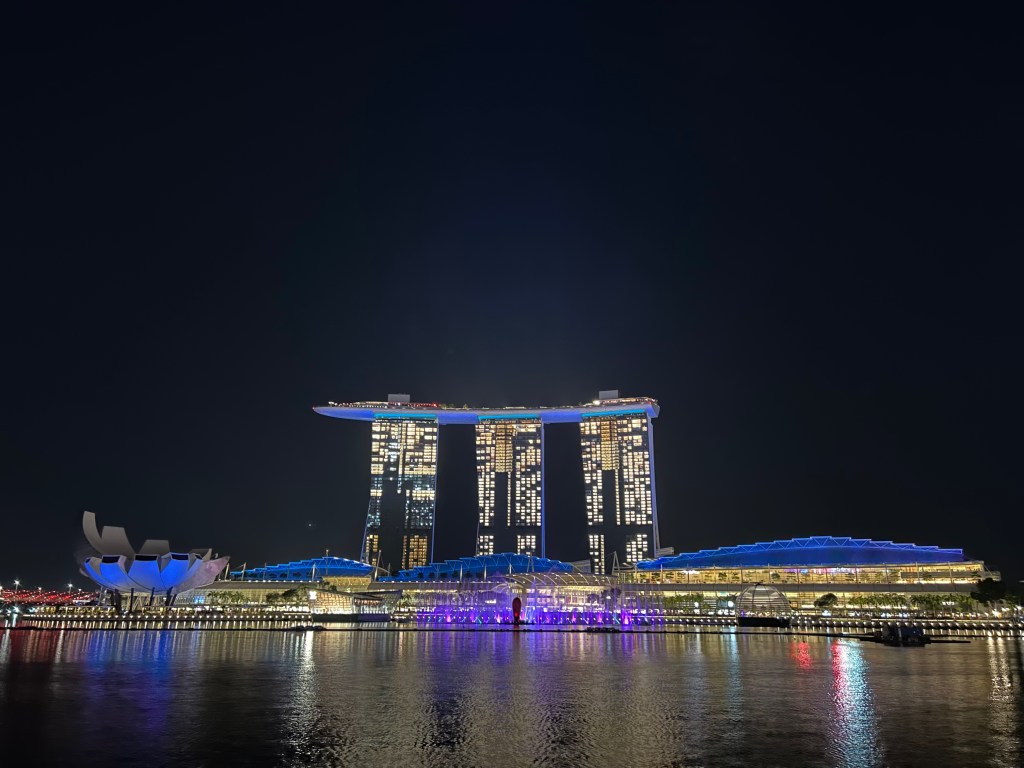
I explored areas like Sembawang and Yishun, witnessing their transformation from colonial or rural beginnings to modern urban hubs. The stark differences between the older and newer parts of the city-state illustrated Singapore’s relentless drive for progress. Visits to landmarks like the Marina Bay Sands promenade and Supertree Grove, as well as various other areas of the island left me in awe of the city’s architectural and technological achievements.
Despite its accomplishments, I reflected on the social and economic inequalities present, particularly the plight of lower-wage workers and migrant labourers. Their shy silent smiles, juxtaposed with the affluence visible in many parts of Singapore, added depth to my understanding of the country’s socioeconomic landscape.
Overall, Singapore offered me an unparalleled blend of cultural exploration, academic enrichment, and societal insights. It is a place where modernity and tradition coexist, creating a dynamic and thought-provoking environment that left a lasting impression on me.
To call my 38-year journey a “rollercoaster” would be an understatement. My life has been a mix of challenges, lessons, and growth. I grew up in a traditional working-class family, deeply influenced by Dom Mintoff’s social reforms. His ideas played a big part in shaping my leftist beliefs. Coming from a working-class background meant that nothing came easily. It took hard work and determination to achieve even the simplest goals, especially for someone like me, driven by (over) ambition.
Growing up in Malta during the late 80s and 90s, I witnessed substantial improvements in the quality of life for working families. Improved working conditions allowed us to afford more comforts, though life remained far from extravagant. My parents, to whom I am endlessly grateful, worked tirelessly to provide me and my siblings with more than just the essentials. They prioritised our prospects, ensuring we had access to the best possible education, including church owned primary education and eventually sustaining me in attending St. Aloysius College.
Securing admission to this prestigious secondary school required me passing the Common Entrance examination, in which I ranked within the top 100 candidates of the national pool – quite a feat at the time, in fact I still recall the happiness on my parent’s faces on receiving the results. St. Aloysius College held a long-standing reputation as Malta’s foremost secondary school, traditionally attended by the children of elites. It has provided the formation to many Prime Ministers, prominent politicians, and other distinguished professionals, solidifying its status as a cradle of the nation’s leadership and excellence.
While admission during my time was based on merit, the institution retained an air of eliteness that I found difficult to appreciate at the time. This dynamic occasionally made my experience there challenging. Nevertheless, my time at St. Aloysius College provided a solid personal and academic foundation that stimulated me to aim higher in life, equipping me with the tools to pursue my aspirations.
In my early adult years my focus was clear: I wanted to make money. I chose to start my own business – defying all the advice I was getting – because I wanted to be my own boss. At first, and against all odds I had great success in public procurement and earned well for the initial years. But between 2012 and 2013, I made some errors in judgements driven by obsessions that took over my life at the time. Facing the consequences was tough, but it taught me valuable lessons. Owning up to those blunders helped me turn my life around and focus on what really mattered.
After that turning point, my humble businesses became more rewarding, and allowed me to maintain my academic development at the University of Malta, while moving on with my life. Along the way, I also increased my civic engagement especially of political issues, joining informal campaigns. At first, my frustrations made me act out of anger, but as I matured, I took a more balanced approach, with my activism focusing on fairness, both in how society is run and in protecting the environment.
The year 2024 has marked a significant turning point in my life. Becoming a father has brought me unparalleled joy, instilling a profound sense of responsibility as I now understand that every decision I make will shape my daughter’s future. At the same time, I have begun to scale down my business activities to dedicate more time to academic research and complete my doctoral studies. While my entrepreneurial journey was both rewarding and filled with invaluable experiences, it ultimately left me unfulfilled. I believe my true calling lies in pursuing my passion for sociological research, where I aim to contribute meaningfully.
My main research interests are political sociology, social class/mobility, community resilience, wellbeing and island states.
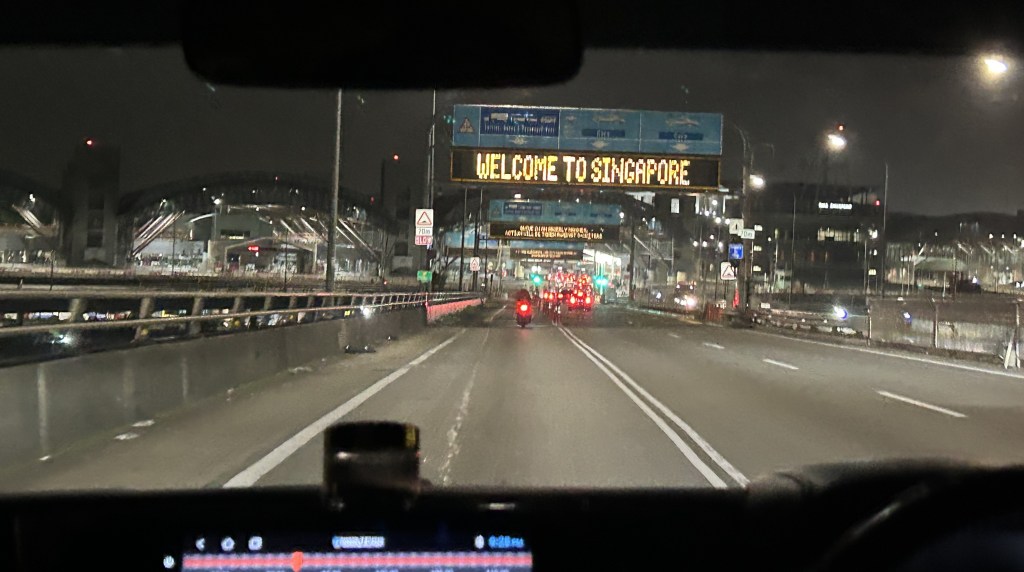
This photo taken on the 26th October at 9:28 PM (GMT+8), while passing over the Second Link Bridge toward the Tuas Checkpoint in a taxi that had picked me up in Iskandar Puteri, en route to my rented apartment in Jurong. This moment marked the final day of my 14th week in Singapore, with only a few days remaining before my scheduled return to Malta.
I will probably remember the feelings in me at that instant for the rest of my life. It was a mix of satisfaction, hope and most of all vindication. The Singapore experience was indeed the most important feat of my life.
Eleven years after the pivotal decision to realign my life’s trajectory toward genuine passion rather than chasing illusions, I find myself midway through my doctoral studies at the University of Malta. My academic journey had already been adorned with significant milestones: an undergrad in Social Policy and a Master’s in Sociology, which delved into the complexities of social class and mobility within Malta, achieved with Distinction during the throes of a global pandemic.
Fortune was on my side when assigned with my doctoral supervisor, one of the foremost scholars in Sociology and island studies, Prof. Godfrey Baldacchino. He is not merely an academic mentor but also a beacon of humanity and wisdom. Through his generosity in sharing his invaluable network, I was introduced to Prof. Alan Chong, a distinguished Singaporean academic at the S. Rajaratnam School of International Studies (RSIS) at the Nanyang Technological University (NTU), and former research assistant to none other than Lee Kuan Yew, Singapore’s founding Prime Minister. Thanks to this connection, I attained Visiting Associate status at RSIS, a development that significantly eased my immersion into Singaporean academia and society. Prof. Chong’s instrumental guidance extended beyond administrative matters – his connections with leading political science scholars and his provision of essential resources were pivotal in deepening my understanding of Singapore’s intricate social and political fabric. Together, their unwavering support – remote and on the ground – proved indispensable for my Southeast Asian stay, a transformative experience that reshaped my academic and personal perspective, making every sacrifice worthwhile.
The sacrifices, however, were enormous. It was not merely the material cost of such an endeavour but also the emotional toll. Leaving behind my family for 100 days was a hard choice, which also necessitated me to part from my six-month-old daughter. While the psychological effect of separation was remarkable for me, I also appreciate how challenging it was for my family back home to manage without my presence and support. This journey was not mine alone; it was borne collectively.
Singapore offered a fascinating, albeit challenging, chapter in my life. The culture shock was stark and unexpected. Southeast Asia is no parallel to Europe, and Singapore, unique in its own right, is neither a typical Asian state nor a European city. It is a vibrant confluence of diverse Asian cultures and ethnicities, a dynamic and volatile society whose complexities elude superficial understanding. While my pre-departure readings had prepared me knowledgeably, the lived experience revealed nuanced layers that theory alone could never illuminate. This immersion not only expanded my academic perspective but also forced me to confront personal struggles, assess my resilience, and test my abilities within one of the world’s most competitive academic ecosystems. Singapore became an infinite source of inspiration, knowledge, and opportunity, challenging me to decipher its ethos – the ‘Singaporean way’ – with a level of perseverance I hope my doctoral work reflects.
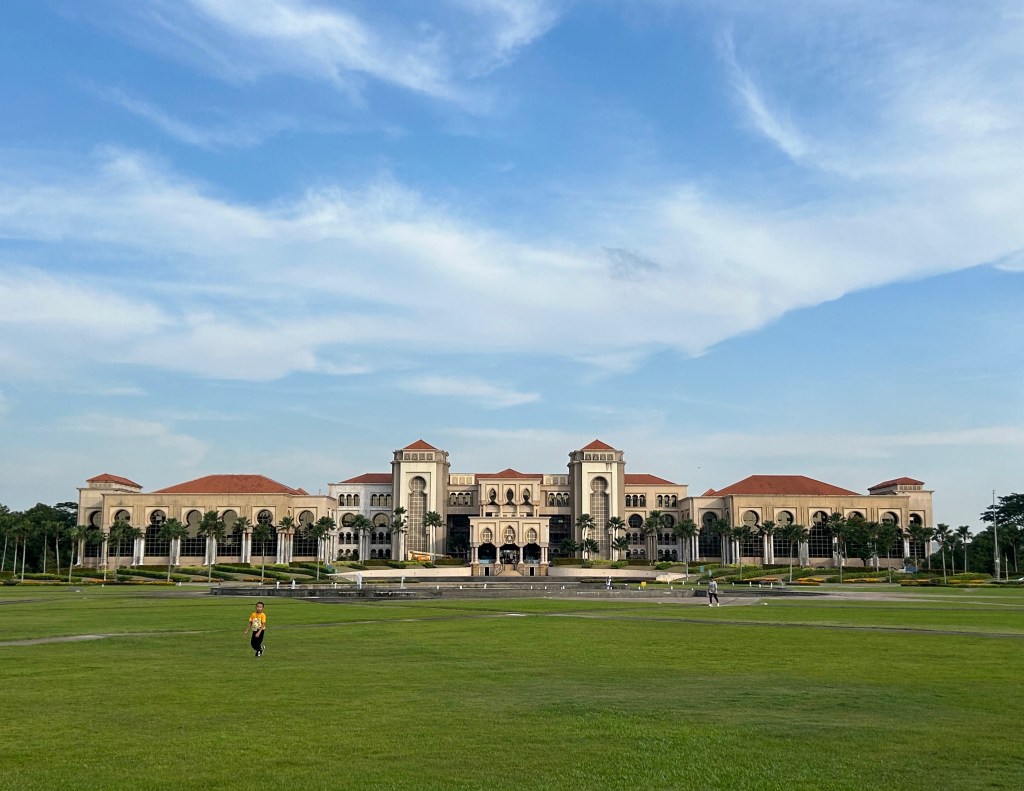
A highlight towards the end of my Southeast Asian expedition was attending a conference on the Digital Rights Programme for Civil Society Organisations, hosted by the Asia Centre in Johor Bahru, Malaysia. Beyond the intellectual stimulation of the conference itself, this gathering became a fertile ground for forging connections with academics and activists from across South Asia, including Nepal, India, Sri Lanka, Bangladesh, Thailand, Cambodia, Malaysia, and Sarawak. Discussions around my research interests, particularly community resilience, were met with enthusiasm, yielding promising prospects for future collaborations.
My Southeast Asia experience was nothing short of an awakening. It crushed the boundaries of my previously insular Maltese context and opened my eyes to the vast potential of engaging with global narratives.
The dose of fresh perspectives and newfound eagerness has not only strengthened my research ambitions but also stirred a profound curiosity for uncharted geographical territories, both academic and personal.
The road has been arduous, the sacrifices profound, yet the rewards – intellectual, emotional, and experiential – have surpassed anything I could have anticipated.
This journey has profoundly shaped me, fostering a deep sensitivity to the intricate dynamics and complexities of humanity, not only across Europe but also in other parts of the world I have overlooked until now. It has sparked an intense interest to delve further into and comprehend the lived realities within diverse socio-political contexts of contemporary communities.




 Islander Perspective